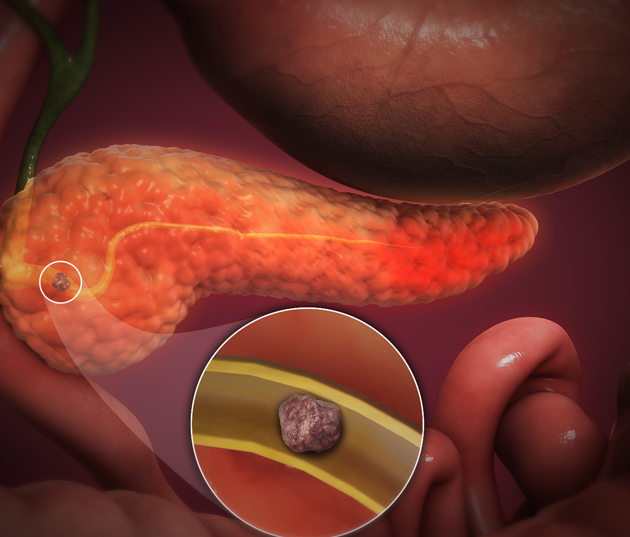
Acute Pancreatitis (Interstitial/Necrotising)
Acute pancreatitis is a sudden inflammation of the pancreas, an organ involved in digestion and blood sugar regulation. It can range from mild interstitial pancreatitis, where the pancreas becomes inflamed and swollen, to severe necrotising pancreatitis, where parts of the pancreatic tissue and surrounding tissues become damaged or die.
Acute pancreatitis requires timely medical assessment because severe disease can affect other organs and may lead to fluid collections, infection, organ failure and other complications. Treatment depends on the severity, underlying cause and presence of complications.
Conditions
Acute pancreatitis can vary considerably in severity and may be classified according to the extent of inflammation and tissue damage. Common presentations include:
- Acute interstitial pancreatitis
- Acute necrotising pancreatitis
- Sterile pancreatic necrosis
- Infected pancreatic necrosis
- Peripancreatic fluid collections
- Acute necrotic collections
- Pancreatic pseudocyst following acute pancreatitis
- Severe acute pancreatitis with organ dysfunction
The severity of pancreatitis depends on the extent of pancreatic and surrounding tissue involvement and whether local or systemic complications develop.
Symptoms
Acute pancreatitis usually develops suddenly and may cause significant abdominal symptoms. Common symptoms include:
- Sudden or severe upper abdominal pain
- Abdominal pain radiating to the back
- Nausea and repeated vomiting
- Abdominal tenderness and bloating
- Fever
- Rapid heartbeat
- Loss of appetite
- Weakness and dehydration
- Jaundice in selected cases, particularly when associated with bile duct obstruction
- Breathing difficulty or reduced urine output in severe disease
Severe or persistent upper abdominal pain, particularly when associated with repeated vomiting, fever, weakness or breathing difficulty, requires prompt medical evaluation.
Causes
Acute pancreatitis can develop when pancreatic enzymes become activated within the pancreas and cause inflammation and tissue injury. Common causes include:
- Gallstones
- Excessive alcohol consumption
- High levels of triglycerides
- Certain medications
- Abdominal trauma
- Some infections and metabolic conditions
- Endoscopic procedures such as ERCP
- Structural abnormalities of the pancreatic or biliary system
In some patients, the exact cause may not be identified despite appropriate evaluation. Identifying the underlying cause is important to reduce the risk of recurrence.
Treatment
Treatment depends on the severity and cause of pancreatitis and whether complications such as necrosis, fluid collections or organ dysfunction are present. Patients with moderate to severe disease may require close monitoring or intensive care.
Treatment options may include:
- Intravenous fluid therapy and supportive care
- Adequate pain control and symptom management
- Early nutritional support, including enteral feeding when appropriate
- Treatment of the underlying cause, such as gallstone disease
- ERCP for selected patients with biliary obstruction or cholangitis
- Monitoring and treatment of organ dysfunction in severe pancreatitis
- Drainage of symptomatic or infected pancreatic collections when indicated
- Endoscopic, percutaneous or surgical treatment of infected or persistent necrosis in selected patients
Necrotising pancreatitis may require a step-up approach involving drainage and, when necessary, minimally invasive or surgical removal of infected or non-viable tissue.
The timing and type of intervention are individualized according to the patient's clinical condition, the extent of necrosis and the presence of infection or other complications.
Prevention
Some causes of acute pancreatitis can be reduced or managed to lower the risk of recurrence.
- Seek appropriate treatment for gallstones and biliary disease.
- Avoid excessive alcohol consumption.
- Maintain healthy triglyceride and cholesterol levels.
- Follow medical advice regarding medicines that may affect the pancreas.
- Maintain a healthy body weight and balanced diet.
- Follow recommended treatment after an episode of pancreatitis to address its underlying cause.
- Attend regular follow-up when recurrent or chronic pancreatic problems are present.
Early identification and treatment of the underlying cause can help reduce the risk of recurrent pancreatitis and prevent progression to serious complications.