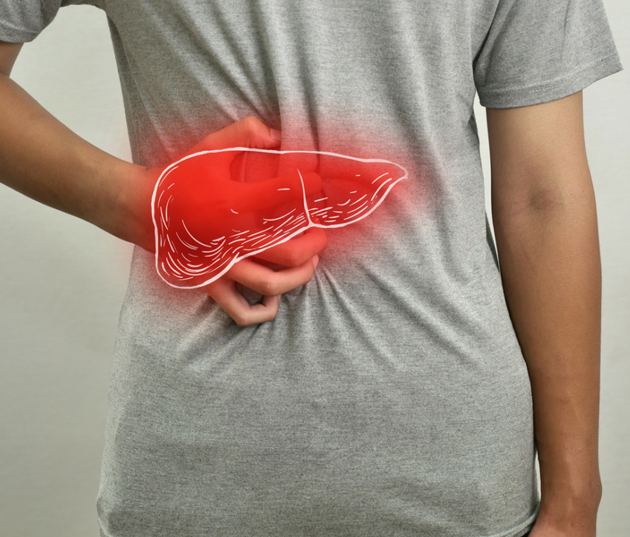
Liver Trauma
Liver trauma is an injury to the liver that usually occurs following blunt or penetrating abdominal trauma. As the liver is a large and highly vascular organ, significant injuries can result in internal bleeding and may be associated with damage to other abdominal organs.
Liver injuries range from minor bruising or small tears to extensive disruption of the liver tissue and major blood vessels. Early assessment is important to determine the severity of the injury and whether conservative, minimally invasive or surgical treatment is required.
Conditions
Liver trauma can vary from minor injuries to severe damage involving major vessels or extensive portions of the liver. Common presentations include:
- Liver contusion or bruising
- Subcapsular liver hematoma
- Liver laceration
- Partial liver disruption
- Major liver injury with internal bleeding
- Injury to hepatic blood vessels
- Liver trauma associated with abdominal organ injuries
- Delayed complications following liver injury
The severity of liver trauma is assessed according to the extent and location of the injury, the degree of bleeding and the patient's overall hemodynamic condition.
Symptoms
Symptoms depend on the severity of the liver injury and whether significant internal bleeding or associated organ damage is present. Common symptoms include:
- Upper abdominal pain, particularly on the right side
- Abdominal tenderness
- Abdominal swelling or distension
- Pain radiating to the right shoulder
- Weakness or dizziness due to blood loss
- Rapid heartbeat
- Pale or clammy skin
- Nausea or vomiting
- Low blood pressure in severe bleeding
- Signs of shock in major liver injuries
Severe abdominal pain, dizziness, fainting, weakness or signs of shock following significant trauma require immediate medical assessment.
Causes
Liver trauma can result from blunt or penetrating injuries to the abdomen. Common causes include:
- Road traffic accidents
- Blunt abdominal trauma
- Falls from height
- Sports-related injuries
- Workplace or occupational accidents
- Penetrating abdominal injuries
- Injuries associated with fractures of the lower ribs
- Trauma involving multiple abdominal organs
The mechanism and force of trauma can influence the location and severity of liver injury. Associated injuries to the spleen, pancreas, bowel, diaphragm or major blood vessels may also occur.
Treatment
Treatment depends on the severity of the liver injury, the amount of internal bleeding, the patient's hemodynamic stability and the presence of associated injuries. Evaluation may include blood tests, ultrasound and contrast-enhanced CT imaging.
Treatment options may include:
- Close monitoring and observation for selected stable injuries
- Intravenous fluids and blood transfusion when required
- Pain management and supportive treatment
- Angiographic embolization for selected ongoing arterial bleeding
- Drainage of selected post-traumatic collections when required
- Surgical exploration for uncontrolled bleeding or severe liver injury
- Liver repair or packing for appropriate injuries
- Resection of severely damaged liver tissue in selected cases
- Management of associated abdominal organ injuries
Many liver injuries in hemodynamically stable patients can be managed without major surgery. However, urgent surgical or interventional treatment may be necessary when there is uncontrolled bleeding, hemodynamic instability or significant associated injury.
The treatment approach is individualized according to the injury pattern, the patient's condition and the available imaging findings.
Prevention
Liver trauma cannot always be prevented, particularly in accidental injuries. However, appropriate safety measures can reduce the risk and severity of abdominal trauma.
- Use seat belts correctly while travelling in vehicles.
- Follow road and workplace safety measures.
- Use appropriate protective equipment during sports and high-risk activities.
- Follow recommended safety precautions when working at height or around heavy machinery.
- Seek immediate medical evaluation after significant abdominal trauma.
- Do not ignore persistent abdominal pain, dizziness or weakness following an injury.
- Follow medical advice and scheduled follow-up after treatment of liver trauma.
Prompt evaluation of liver injuries can help identify internal bleeding and other complications early, allowing appropriate treatment and reducing the risk of serious outcomes.