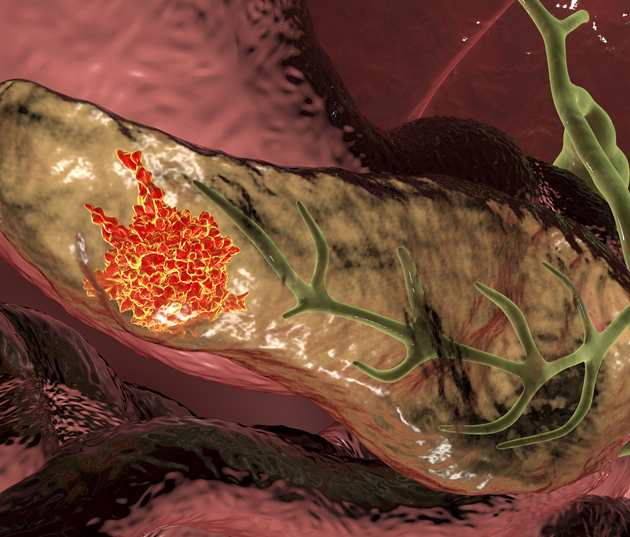
Pancreatic Cancer
Pancreatic cancer is a malignant tumor that develops in the pancreas, an organ located behind the stomach that plays an important role in digestion and blood sugar regulation. The most common type is pancreatic ductal adenocarcinoma, although other less common tumors can also develop in the pancreas.
Pancreatic cancer may remain difficult to detect in its early stages because symptoms can be subtle or absent. As the disease progresses, it may cause abdominal or back pain, weight loss, jaundice, digestive problems and other symptoms. Treatment depends on the location and stage of the cancer and may involve surgery, chemotherapy, radiotherapy, targeted therapy or a combination of treatments.
Conditions
Pancreatic tumors can arise in different parts of the pancreas and may vary in their biological behaviour. Common types and presentations include:
- Pancreatic ductal adenocarcinoma
- Cancer of the head of the pancreas
- Cancer of the body or tail of the pancreas
- Pancreatic neuroendocrine tumors
- Locally advanced pancreatic cancer
- Pancreatic cancer causing obstructive jaundice
- Pancreatic cancer associated with bile duct or duodenal obstruction
- Advanced or metastatic pancreatic cancer
The location of the tumor and its relationship with major blood vessels, bile ducts, the duodenum and surrounding organs are important considerations when assessing whether surgical treatment is possible.
Symptoms
Early pancreatic cancer may not cause obvious symptoms. As the tumor grows or affects nearby structures, patients may experience:
- Upper abdominal pain or discomfort
- Pain radiating to the back
- Yellowing of the skin and eyes
- Dark-coloured urine
- Pale or clay-coloured stools
- Generalized itching
- Unexplained weight loss
- Loss of appetite
- Nausea or digestive discomfort
- New or worsening diabetes in some patients
Persistent abdominal or back pain, unexplained weight loss or new-onset jaundice should be evaluated promptly, particularly when symptoms continue or progressively worsen.
Causes
The exact cause of pancreatic cancer is not always known. Several factors may increase the risk of developing the disease.
- Increasing age
- Smoking and tobacco use
- Family history of pancreatic cancer
- Inherited genetic syndromes associated with pancreatic cancer
- Chronic pancreatitis
- Diabetes mellitus
- Overweight or obesity
- Other genetic and environmental factors
Pancreatic cancer usually develops through a combination of genetic and environmental factors. Having a risk factor does not necessarily mean that a person will develop pancreatic cancer.
Treatment
Treatment is planned according to the location and stage of the tumor, its relationship with nearby blood vessels and organs, and the patient's overall health. Evaluation may include pancreatic imaging, endoscopic assessment, tissue diagnosis when appropriate and staging investigations.
Treatment options may include:
- Pancreaticoduodenectomy (Whipple procedure) for selected tumors of the pancreatic head
- Distal pancreatectomy for selected tumors involving the body or tail
- Extended or vascular resection in carefully selected locally advanced tumors
- Neoadjuvant chemotherapy for selected resectable or borderline resectable cancers
- Adjuvant chemotherapy after surgery when indicated
- Radiotherapy for selected patients
- Targeted therapy or immunotherapy for appropriate tumors and patients
- Biliary drainage or stent placement for obstructive jaundice when required
- Supportive and palliative treatment for advanced disease
Surgery offers the possibility of long-term disease control for selected patients when complete tumor removal is feasible. Complex pancreatic cancer treatment requires careful multidisciplinary planning involving pancreatic surgeons, medical oncologists, gastroenterologists, radiologists and other specialists.
The overall goal is to achieve the best possible cancer control while maintaining nutritional health, digestive function and quality of life.
Prevention
There is no guaranteed way to prevent pancreatic cancer. However, certain lifestyle measures and appropriate management of underlying conditions may help reduce risk.
- Avoid smoking and tobacco products.
- Limit excessive alcohol consumption.
- Maintain a healthy body weight.
- Follow a balanced and nutritious diet.
- Remain physically active.
- Follow appropriate treatment for chronic pancreatitis and other pancreatic conditions.
- Discuss appropriate evaluation with a specialist if there is a significant family history or known inherited risk.
- Seek medical evaluation for persistent jaundice, unexplained weight loss or ongoing abdominal pain.
Early evaluation of persistent or unexplained symptoms can help identify pancreatic disease at an earlier stage and allow timely management.