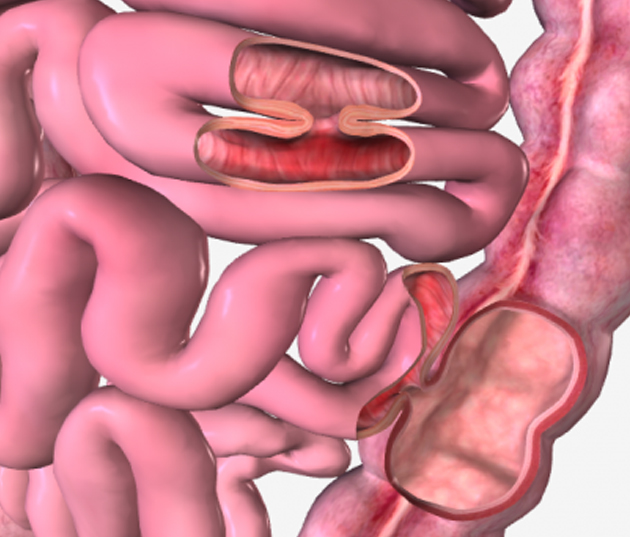
Enterocutaneous Fistula / Faecal Fistula
An enterocutaneous fistula is an abnormal connection between the intestine and the skin, through which intestinal contents may pass to the surface of the abdomen. A faecal fistula is a type of enterocutaneous fistula in which intestinal or faecal contents drain through an abnormal opening.
These fistulas may develop after abdominal surgery, infection, inflammatory bowel disease, trauma or other intestinal conditions. They can lead to fluid and electrolyte loss, skin irritation, malnutrition and infection, requiring careful multidisciplinary management and, in selected cases, surgical treatment.
Conditions
Enterocutaneous fistulas can vary in their location, output and underlying cause. Common presentations include:
- Postoperative enterocutaneous fistula
- Faecal fistula following abdominal surgery
- Small bowel enterocutaneous fistula
- Colocutaneous fistula
- High-output enterocutaneous fistula
- Low-output enterocutaneous fistula
- Fistula associated with Crohn's disease
- Fistula associated with abdominal infection or abscess
The location, amount of drainage and underlying cause influence the course of the condition and help determine the most appropriate treatment strategy.
Symptoms
The symptoms of an enterocutaneous or faecal fistula depend on its location and output. Common symptoms and signs include:
- Abnormal drainage of intestinal or faecal contents through the skin
- Persistent discharge from an abdominal wound
- Skin irritation or breakdown around the fistula
- Abdominal pain or discomfort
- Fever and signs of infection
- Weakness and dehydration
- Weight loss and nutritional deficiencies
- Fluid and electrolyte imbalance
- Poor wound healing
High-output fistulas can result in significant fluid and electrolyte losses and may require close monitoring and specialized nutritional support.
Causes
Enterocutaneous fistulas may develop because of surgery, inflammation, infection, trauma or disease affecting the intestine. Common causes include:
- Complications following abdominal or intestinal surgery
- Intra-abdominal infection or abscess
- Crohn's disease and other inflammatory bowel conditions
- Intestinal trauma
- Intestinal perforation
- Abdominal or gastrointestinal malignancy
- Radiation-related intestinal injury
- Other conditions affecting intestinal healing
Identifying the underlying cause is important because factors such as active infection, inflammation, obstruction or malnutrition can affect the healing of the fistula.
Treatment
Treatment focuses on controlling infection, protecting the surrounding skin, maintaining hydration and nutrition, and allowing the fistula to close when possible. The approach depends on the location, output and underlying cause.
Treatment may include:
- Fluid and electrolyte replacement
- Management of infection and intra-abdominal collections
- Specialized wound and skin care around the fistula
- Nutritional support, including enteral or parenteral nutrition when required
- Control of fistula output
- Treatment of underlying Crohn's disease or other intestinal conditions
- Management of intestinal obstruction when present
- Surgical closure or resection of the fistula in selected patients
Surgery may be considered when the fistula does not close with appropriate conservative management or when there is persistent infection, obstruction, complex fistula anatomy or an underlying disease requiring surgical treatment.
Careful nutritional optimization and control of infection are important before undertaking complex fistula surgery.
Prevention
Not every enterocutaneous fistula can be prevented, particularly when it develops due to underlying intestinal disease or unavoidable complications. However, appropriate surgical and postoperative care can help reduce the risk.
- Follow appropriate care and monitoring after abdominal surgery.
- Seek timely treatment for abdominal infections and abscesses.
- Maintain appropriate management of Crohn's disease and other inflammatory bowel conditions.
- Follow nutritional recommendations during recovery from major abdominal illness or surgery.
- Report persistent wound drainage or abnormal discharge after surgery.
- Seek early medical attention for fever, abdominal pain or signs of infection.
- Attend regular follow-up after treatment of an intestinal fistula.
Early recognition and specialist management can help control complications, improve nutritional status and support successful fistula healing.