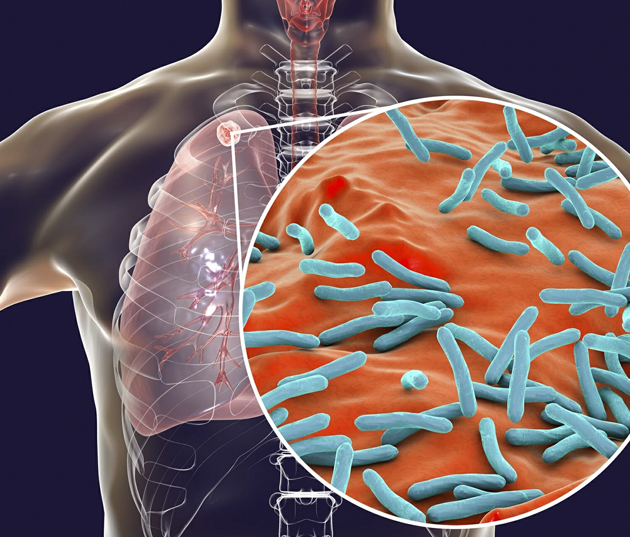
Tuberculosis (TB)
Tuberculosis (TB) is an infectious disease caused by Mycobacterium tuberculosis. Although it most commonly affects the lungs, tuberculosis can also involve other organs, including the gastrointestinal tract and abdominal lymph nodes.
Gastrointestinal tuberculosis can affect different parts of the digestive system and may resemble other intestinal conditions. Early diagnosis is important because untreated disease can lead to complications such as intestinal narrowing, obstruction, perforation, fistula formation and bleeding.
Conditions
Tuberculosis may involve different parts of the gastrointestinal tract and surrounding structures. Common presentations include:
- Gastrointestinal tuberculosis
- Abdominal tuberculosis
- Ileocecal tuberculosis
- Small intestinal tuberculosis
- Colonic tuberculosis
- Abdominal lymph node tuberculosis
- Tuberculous intestinal stricture
- Tuberculosis complicated by obstruction or perforation
The presentation can vary considerably depending on the location and extent of infection. In some patients, gastrointestinal TB may occur along with tuberculosis affecting other organs.
Symptoms
Symptoms may develop gradually and can sometimes resemble other gastrointestinal disorders. Common symptoms include:
- Persistent abdominal pain
- Loss of appetite
- Unintentional weight loss
- Low-grade fever
- Night sweats
- Diarrhoea or altered bowel habits
- Nausea or vomiting
- Abdominal swelling or bloating
- Weakness and fatigue
- Symptoms of intestinal obstruction in advanced cases
Persistent abdominal symptoms accompanied by fever, weight loss or loss of appetite should be evaluated to determine whether tuberculosis or another underlying condition is responsible.
Causes
Tuberculosis is caused by infection with Mycobacterium tuberculosis. Gastrointestinal involvement can occur when the infection spreads from another site or reaches the digestive tract.
- Infection with Mycobacterium tuberculosis
- Spread of TB from the lungs or another infected site
- Ingestion of infected material in selected cases
- Spread through the bloodstream or lymphatic system
- Direct involvement of abdominal lymph nodes or intestinal tissues
The risk and pattern of disease may be influenced by immune status, previous exposure to tuberculosis and other individual factors.
Treatment
Treatment of tuberculosis primarily involves a combination of specific anti-tubercular medicines prescribed for an appropriate duration. The exact treatment plan depends on the site of disease, severity, drug sensitivity and the patient's overall condition.
Treatment may include:
- Appropriate anti-tubercular therapy
- Nutritional support and correction of nutritional deficiencies
- Management of dehydration or electrolyte imbalance when required
- Monitoring for treatment response and medication-related complications
- Endoscopic treatment for selected strictures
- Surgical treatment for intestinal obstruction or severe narrowing
- Surgery for perforation, fistula or other complications when required
Surgery is generally considered when gastrointestinal tuberculosis causes complications such as obstruction, perforation, uncontrolled bleeding or a persistent fistula, or when the diagnosis remains uncertain despite appropriate investigations.
Early diagnosis and completion of the prescribed treatment are important for controlling the infection and reducing the risk of complications.
Prevention
Preventive measures can help reduce the spread of tuberculosis and the risk of complications from untreated infection.
- Complete the full course of prescribed anti-tubercular treatment.
- Follow medical advice regarding testing and treatment of tuberculosis exposure.
- Maintain good respiratory and personal hygiene.
- Ensure adequate nutrition and general health during treatment.
- Attend regular follow-up to monitor treatment response.
- Seek medical evaluation for persistent fever, weight loss or unexplained abdominal symptoms.
- Follow appropriate public-health recommendations when active tuberculosis is diagnosed.
Timely diagnosis, appropriate treatment and regular follow-up can help control tuberculosis, prevent complications and reduce the risk of transmission.