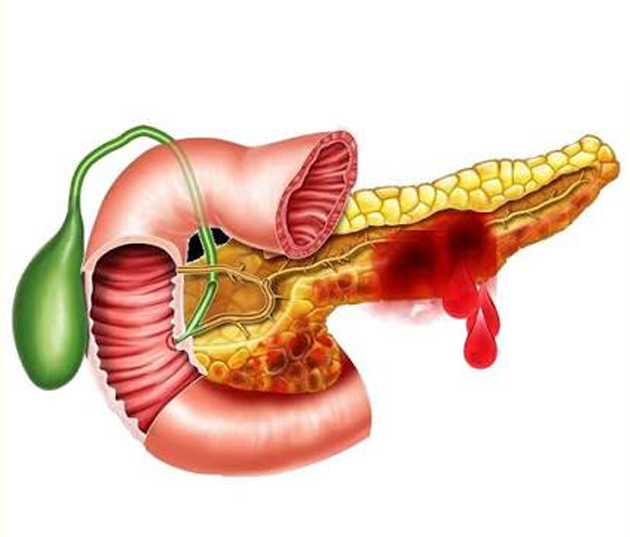
Pancreatic Trauma
Pancreatic trauma is an injury to the pancreas that can occur following significant abdominal trauma. Because the pancreas lies deep within the abdomen and close to the duodenum, bile duct and major blood vessels, pancreatic injuries may sometimes occur along with injuries to other nearby organs.
Pancreatic trauma can range from a minor contusion to partial or complete disruption of the pancreatic tissue or pancreatic duct. Early diagnosis and appropriate management are important because delayed complications may include pancreatic fistula, fluid collections, pseudocyst, infection and pancreatitis.
Conditions
Pancreatic trauma can vary in severity depending on the extent and location of the injury. Common presentations include:
- Pancreatic contusion or bruising
- Pancreatic laceration
- Partial pancreatic injury
- Main pancreatic duct injury
- Pancreatic transection
- Pancreatic injury associated with duodenal trauma
- Post-traumatic pancreatic fluid collection
- Pancreatic pseudocyst following trauma
The severity of the injury and whether the main pancreatic duct is damaged are important factors in deciding the most appropriate treatment approach.
Symptoms
Symptoms may vary depending on the severity of the injury and associated abdominal trauma. Common symptoms include:
- Upper abdominal pain
- Abdominal tenderness
- Pain radiating to the back
- Nausea and vomiting
- Abdominal swelling or distension
- Fever
- Loss of appetite
- Weakness or dizziness in cases of significant associated injury
- Symptoms of pancreatitis following pancreatic injury
- Persistent abdominal pain due to pancreatic fluid collection or pseudocyst
Pancreatic injury may not always be obvious immediately after trauma. Persistent or worsening abdominal pain following significant abdominal injury requires prompt medical evaluation.
Causes
Pancreatic trauma most commonly occurs following blunt or penetrating abdominal injury. Common causes include:
- Road traffic accidents
- Blunt abdominal trauma
- Handlebar-related abdominal injuries
- Falls or sports-related injuries
- Penetrating abdominal injuries
- Trauma associated with injuries to the duodenum or nearby organs
- Rarely, pancreatic injury related to medical or surgical procedures
The mechanism and severity of trauma can determine whether the pancreatic tissue, pancreatic duct or surrounding structures are affected.
Treatment
Treatment depends on the severity and location of the pancreatic injury, whether the main pancreatic duct is damaged and whether there are associated injuries. Evaluation may include blood tests, contrast-enhanced CT and other imaging or endoscopic investigations when required.
Treatment options may include:
- Stabilization and close clinical monitoring
- Intravenous fluids and supportive treatment
- Pain management and nutritional support
- Conservative management for selected stable pancreatic injuries
- Endoscopic pancreatic duct stenting in selected duct injuries
- Drainage of pancreatic fluid collections or pseudocysts when required
- Surgical repair or drainage for selected injuries
- Distal pancreatectomy for appropriate injuries involving the pancreatic body or tail
- Surgical management of associated duodenal or abdominal injuries
Minor injuries may be managed conservatively with careful monitoring, while injuries involving the main pancreatic duct or significant tissue disruption may require endoscopic or surgical intervention.
The treatment approach is individualized according to the injury pattern, associated injuries and the patient's overall condition.
Prevention
Pancreatic trauma cannot always be prevented, particularly in accidental injuries. However, appropriate safety measures can reduce the risk of significant abdominal trauma.
- Use appropriate seat belts while travelling in vehicles.
- Follow recommended road and workplace safety measures.
- Use appropriate protective equipment during sports and high-risk activities.
- Seek medical evaluation after significant abdominal trauma.
- Do not ignore persistent or worsening abdominal pain following an injury.
- Follow medical advice and scheduled follow-up after treatment of pancreatic trauma.
Early recognition and appropriate management of pancreatic injury can help reduce the risk of delayed complications such as pancreatic fistula, fluid collections, pseudocyst and infection.