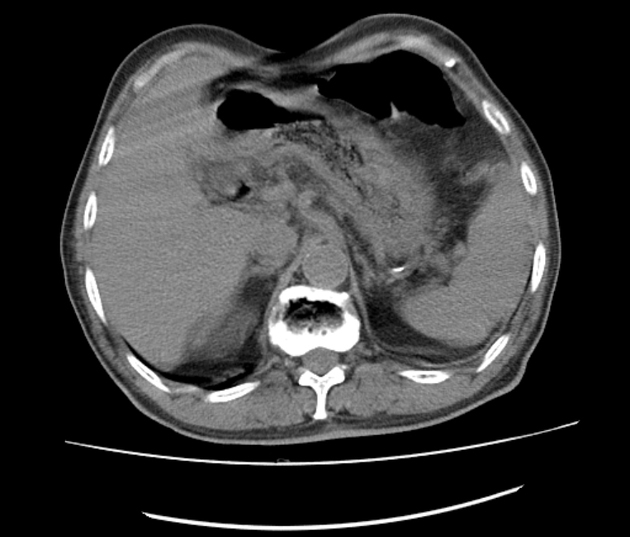
Corrosive/Acid/Alkali Ingestion (Acute/Chronic)
Corrosive or caustic ingestion occurs when a person accidentally or intentionally swallows a strong acid or alkali substance. These substances can cause chemical burns and damage to the mouth, throat, esophagus and stomach. The severity of injury depends on the type and concentration of the substance, quantity ingested, and duration of contact with the tissues.
In severe cases, corrosive ingestion can cause deep ulceration, tissue necrosis, perforation and life-threatening complications. Even after the initial injury has healed, scarring can develop over time and lead to narrowing of the esophagus, causing long-term difficulty in swallowing.
Conditions
Corrosive injuries can range from mild superficial inflammation to severe damage involving the deeper layers of the esophageal wall. Depending on the severity and duration of the injury, patients may develop:
- Acute corrosive esophagitis
- Deep esophageal ulceration and tissue necrosis
- Esophageal perforation
- Esophageal stricture or narrowing
- Difficulty in swallowing due to post-injury scarring
- Gastric or upper gastrointestinal injury associated with the ingestion
- Long-term complications following severe corrosive injury
Severe injuries require prompt specialist assessment because complications can develop during both the acute and healing phases.
Symptoms
Symptoms can vary depending on the substance and severity of the injury. Common symptoms include:
- Pain or burning in the mouth and throat
- Difficulty or pain while swallowing
- Excessive drooling or inability to swallow saliva
- Chest or abdominal pain
- Nausea and vomiting
- Vomiting blood
- Swelling or burns around the mouth
- Hoarseness, coughing or breathing difficulty
- Persistent difficulty in swallowing after the initial injury
Importantly, the absence of visible burns in the mouth does not always mean that the esophagus is unaffected. Significant internal injury can occur even when external findings appear limited.
Causes
Corrosive ingestion usually occurs after swallowing substances containing strong acids or alkalis. These may be present in household cleaning products, industrial chemicals and other corrosive materials.
The extent of injury depends on several factors, including:
- Strength and concentration of the corrosive substance
- Quantity swallowed
- Physical form of the substance
- Duration of contact with the tissues
- Whether the substance was accidentally or intentionally ingested
Liquid corrosive substances may pass rapidly through the mouth and throat and cause significant injury to the esophagus and stomach, while solid substances may remain in contact with the mouth and throat for longer.
Treatment
Treatment depends on the severity of the injury and the patient's overall condition. Initial management focuses on protecting the airway, stabilizing the patient and assessing the extent of internal damage.
An upper gastrointestinal endoscopy is commonly used to assess the esophagus and stomach and determine the severity of the injury. In selected patients, imaging such as contrast-enhanced CT may be used when deeper tissue damage or perforation is suspected.
Treatment may include:
- Airway and circulatory stabilization
- Pain control and supportive medical care
- Nutritional support during healing
- Close monitoring for complications
- Endoscopic treatment for developing esophageal strictures
- Surgical treatment in cases of perforation, extensive tissue damage or other severe complications
Patients who develop post-corrosive esophageal narrowing may require repeated endoscopic dilatation, while complex or severe strictures may require reconstructive or surgical treatment.
Important: Vomiting should not be induced, and corrosive substances should not be neutralized with another chemical, as these measures can cause further tissue injury.
Prevention
Most corrosive ingestion injuries can be prevented through safe handling and storage of hazardous substances.
- Keep acids, alkalis and cleaning chemicals away from children.
- Store corrosive substances in their original, clearly labelled containers.
- Never transfer chemicals into water bottles, food containers or beverage bottles.
- Handle industrial and household chemicals according to safety instructions.
- Educate children and family members about the dangers of unidentified liquids and chemicals.
- Seek immediate medical attention after suspected corrosive ingestion rather than attempting home remedies.
Early medical assessment is important because the severity of internal injury may not always be apparent from the initial symptoms.