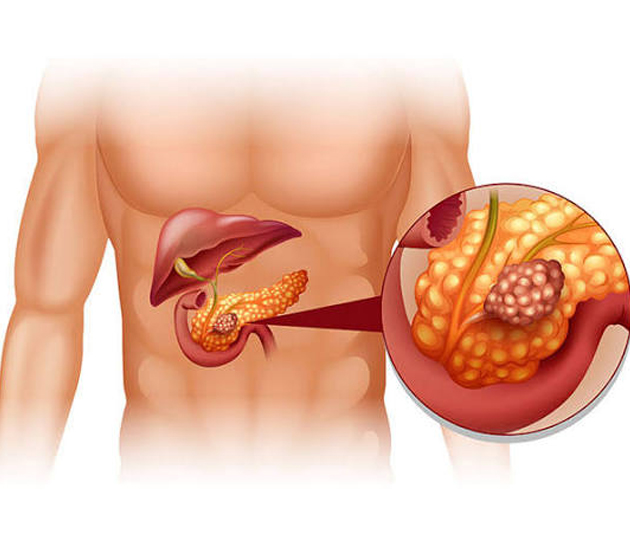
Chronic Pancreatitis
Chronic pancreatitis is a long-standing inflammatory condition of the pancreas that can cause permanent damage and scarring of pancreatic tissue. Over time, this may affect the pancreas's ability to produce digestive enzymes and hormones such as insulin.
The condition may cause recurrent or persistent abdominal pain, digestive problems, weight loss and nutritional deficiencies. In advanced cases, it can lead to pancreatic duct obstruction, fluid collections, diabetes and other complications. Treatment focuses on controlling symptoms, improving nutrition, treating complications and addressing the underlying cause.
Conditions
Chronic pancreatitis may develop gradually and can affect both the structure and function of the pancreas. Common presentations and complications include:
- Recurrent or chronic abdominal pain
- Calcific chronic pancreatitis
- Pancreatic duct stones
- Pancreatic duct strictures
- Pancreatic pseudocyst
- Bile duct or duodenal obstruction
- Exocrine pancreatic insufficiency
- Diabetes mellitus associated with pancreatic disease
The severity and pattern of chronic pancreatitis vary between patients. Some develop predominantly pain-related symptoms, while others develop significant digestive or metabolic complications.
Symptoms
Symptoms may develop gradually or occur as recurrent episodes. Common symptoms include:
- Persistent or recurrent upper abdominal pain
- Abdominal pain radiating to the back
- Pain that may worsen after meals
- Nausea and vomiting
- Loss of appetite
- Unintentional weight loss
- Abdominal bloating and indigestion
- Oily, bulky or difficult-to-flush stools
- Vitamin and nutritional deficiencies
- Symptoms of diabetes in advanced disease
Persistent abdominal pain, unexplained weight loss or ongoing digestive problems should be evaluated to determine whether chronic pancreatic disease or another gastrointestinal condition is responsible.
Causes
Chronic pancreatitis can develop due to repeated pancreatic injury and inflammation. Several factors may contribute to the development and progression of the condition.
- Long-term excessive alcohol consumption
- Repeated episodes of acute pancreatitis
- Genetic or hereditary pancreatic disorders
- Blockage or narrowing of the pancreatic duct
- Autoimmune pancreatitis
- High levels of triglycerides or other metabolic disorders
- Abnormalities of the pancreatic or biliary system
- In some cases, no definite cause may be identified
Identifying the underlying cause is important because appropriate treatment may help control symptoms and reduce further pancreatic damage.
Treatment
Treatment aims to relieve pain, improve digestion and nutrition, manage diabetes when present, and treat complications such as pancreatic duct obstruction or fluid collections. The treatment plan depends on the severity and underlying cause.
Treatment options may include:
- Pain management and supportive treatment
- Pancreatic enzyme replacement therapy
- Nutritional support and dietary management
- Management of diabetes and other metabolic complications
- Endoscopic treatment of pancreatic duct stones or strictures
- Endoscopic drainage of selected pancreatic fluid collections
- Surgical drainage or resection for selected complications
- Pancreatic duct decompression procedures for persistent obstructive pain
Surgery may be considered when severe pain persists despite appropriate medical and endoscopic treatment, or when there is significant pancreatic duct obstruction, inflammatory mass, pseudocyst or obstruction of nearby structures.
The surgical approach is individualized according to the anatomy of the pancreas, the main pancreatic duct and the nature of the underlying disease.
Prevention
Chronic pancreatitis cannot always be prevented, particularly when it is related to genetic or structural conditions. However, certain measures may help reduce further pancreatic injury and complications.
- Avoid excessive alcohol consumption.
- Avoid smoking and tobacco products.
- Follow medical advice for high triglycerides and other metabolic conditions.
- Maintain a balanced diet and healthy body weight.
- Follow prescribed pancreatic enzyme replacement when required.
- Attend regular follow-up for diabetes and nutritional deficiencies.
- Seek medical evaluation for recurrent or persistent upper abdominal pain.
Early management of recurrent pancreatic inflammation and appropriate treatment of pancreatic duct obstruction may help reduce complications and improve long-term quality of life.