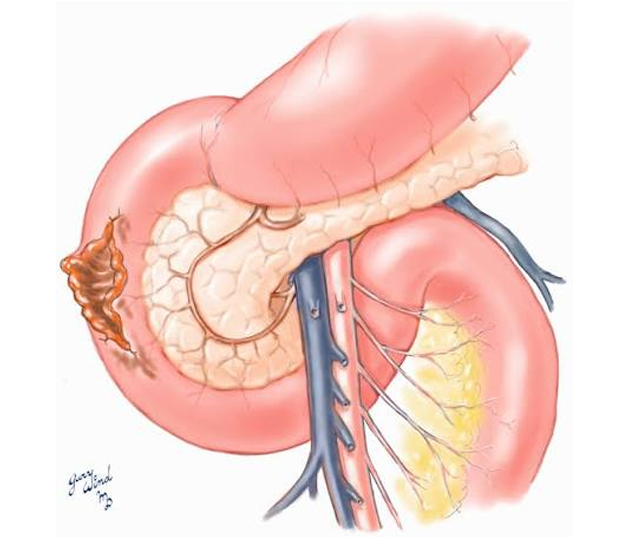
Duodenal Trauma
Duodenal trauma is an injury to the duodenum, the first part of the small intestine located between the stomach and the jejunum. Because the duodenum lies close to important structures such as the pancreas, bile duct and major blood vessels, injuries may sometimes be associated with damage to nearby organs.
Duodenal injuries can range from bruising and hematoma to partial or complete perforation. Early diagnosis and appropriate treatment are important because delayed recognition may lead to leakage of intestinal contents, infection, fistula formation and other serious complications.
Conditions
Duodenal trauma may vary significantly in severity and can involve the wall of the duodenum or nearby structures. Common presentations include:
- Duodenal wall contusion or bruising
- Intramural duodenal hematoma
- Partial-thickness duodenal injury
- Duodenal perforation
- Complete duodenal transection
- Retroperitoneal duodenal injury
- Duodenal injury associated with pancreatic or biliary trauma
- Duodenal trauma complicated by leakage, infection or fistula
The severity of the injury, its location and the presence of associated abdominal injuries determine the appropriate treatment approach.
Symptoms
Symptoms may vary depending on the mechanism and severity of injury. Common symptoms and signs include:
- Upper abdominal pain or tenderness
- Abdominal swelling or distension
- Nausea and vomiting
- Pain that may worsen with movement or eating
- Fever in cases complicated by infection
- Abdominal guarding or rigidity
- Inability to tolerate food or liquids
- Weakness or signs of blood loss in associated injuries
- Signs of peritonitis in cases of perforation
Symptoms may initially be less obvious in some duodenal injuries because much of the duodenum lies behind the abdominal cavity. Persistent abdominal pain after significant trauma therefore requires appropriate medical evaluation.
Causes
Duodenal trauma can occur after blunt or penetrating abdominal injury. Common causes include:
- Blunt abdominal trauma
- Road traffic accidents
- Handlebar or seat-belt related abdominal injuries
- Falls or sports-related injuries
- Penetrating abdominal injuries
- Trauma associated with nearby pancreatic or biliary injury
- Rarely, injury related to medical or surgical procedures
The mechanism of injury and the force involved can influence the location and severity of duodenal damage. Associated injuries to the pancreas, bile duct, liver or major blood vessels may also occur.
Treatment
Treatment depends on the extent and location of the injury, the patient's overall condition and whether there is perforation, leakage or associated organ damage. Evaluation may include blood tests, contrast-enhanced CT and other investigations when required.
Treatment may include:
- Stabilization and close monitoring
- Intravenous fluids and nutritional support
- Nasogastric or intestinal decompression when appropriate
- Conservative management for selected stable injuries
- Drainage of localized collections or abscesses
- Primary repair of suitable duodenal perforations
- Duodenal repair or reconstruction for complex injuries
- Surgical management of associated pancreatic, biliary or intestinal injuries
Small, contained injuries may sometimes be managed without major surgery in carefully selected patients. More extensive perforation, leakage, tissue damage or associated injuries may require urgent surgical intervention.
The main goals of treatment are to control contamination, preserve healthy duodenal tissue, treat associated injuries and prevent complications.
Prevention
Traumatic duodenal injuries cannot always be prevented, but appropriate safety measures can reduce the risk of serious abdominal trauma.
- Use appropriate seat belts while travelling in vehicles.
- Follow recommended road and workplace safety measures.
- Use appropriate protective equipment during sports and high-risk activities.
- Seek medical evaluation after significant abdominal trauma, even when initial symptoms appear mild.
- Do not ignore persistent or worsening abdominal pain following an injury.
- Follow postoperative and follow-up instructions after treatment of abdominal trauma.
Early recognition of duodenal injury is important because delayed diagnosis can increase the risk of leakage, infection, fistula and other serious complications.