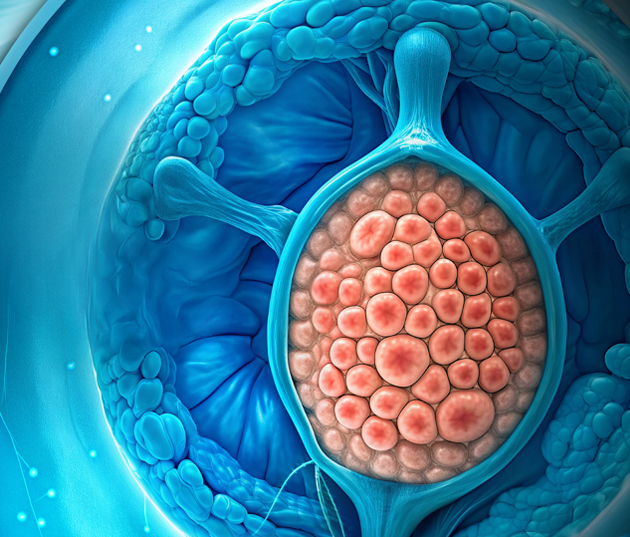
Peritoneal Cancers Requiring CRS + HIPEC
Peritoneal cancer refers to cancer involving the peritoneum, the thin lining that covers the abdominal organs and the inner surface of the abdominal cavity. Peritoneal disease may develop primarily within the peritoneum or may occur when cancers from organs such as the appendix, colon, stomach, ovary or other abdominal organs spread to the peritoneal surface.
For selected patients with limited or potentially removable peritoneal disease, Cytoreductive Surgery (CRS) combined with Hyperthermic Intraperitoneal Chemotherapy (HIPEC) may be considered. This approach aims to remove visible tumor deposits surgically and treat microscopic residual disease with heated chemotherapy delivered directly into the abdominal cavity.
Conditions
Peritoneal cancer may arise from different primary tumors or present as secondary spread to the abdominal lining. Conditions that may be considered for CRS and HIPEC in selected patients include:
- Pseudomyxoma peritonei
- Peritoneal carcinomatosis from colorectal cancer
- Peritoneal spread from appendiceal tumors
- Selected gastric cancers with peritoneal involvement
- Selected ovarian or gynecological cancers with peritoneal disease
- Primary peritoneal malignancies in selected cases
- Localized or limited peritoneal metastases
- Recurrent peritoneal cancer in carefully selected patients
Patient selection is an important part of CRS and HIPEC. The extent and distribution of peritoneal disease, the primary tumor type, overall health and the possibility of achieving complete or near-complete tumor removal are considered before treatment.
Symptoms
Symptoms of peritoneal cancer can vary depending on the primary tumor, extent of disease and involvement of abdominal organs. Common symptoms include:
- Abdominal pain or discomfort
- Abdominal swelling or increasing abdominal girth
- Ascites or fluid accumulation in the abdomen
- Loss of appetite
- Unexplained weight loss
- Nausea and vomiting
- Changes in bowel habits
- Constipation or difficulty passing stools
- Feeling full after eating small amounts
- Weakness and fatigue
Persistent abdominal swelling, unexplained weight loss, bowel changes or increasing abdominal discomfort should be evaluated promptly, particularly in patients with a known history of abdominal or gastrointestinal cancer.
Causes
Peritoneal cancer may develop primarily within the peritoneum or more commonly occur when cancer cells spread from another abdominal or pelvic organ.
- Spread of colorectal cancer to the peritoneum
- Appendiceal tumors with peritoneal dissemination
- Gastric cancer with peritoneal metastasis
- Ovarian or gynecological cancers involving the peritoneum
- Primary peritoneal malignancies
- Recurrent abdominal or pelvic cancers
- Other gastrointestinal cancers spreading within the abdominal cavity
Peritoneal spread occurs when cancer cells detach from a primary tumor and implant on the surfaces of abdominal organs or the peritoneal lining. The pattern and extent of spread vary according to the type of primary cancer.
Treatment
Treatment of peritoneal cancer depends on the primary tumor, extent of peritoneal disease, overall health and whether complete or near-complete removal of visible disease is achievable. Detailed imaging and specialist assessment are important before considering CRS and HIPEC.
Treatment options may include:
- Cytoreductive Surgery (CRS) to remove visible peritoneal tumor deposits
- Hyperthermic Intraperitoneal Chemotherapy (HIPEC) following cytoreductive surgery
- Removal of involved portions of the intestine or other abdominal organs when required
- Omentectomy and removal of affected peritoneal surfaces
- Systemic chemotherapy before or after surgery when indicated
- Targeted therapy or immunotherapy for selected cancers
- Management of ascites and other symptoms associated with advanced disease
- Palliative treatment when CRS and HIPEC are not appropriate
During CRS, the surgeon removes visible tumor deposits from the peritoneal cavity and, when necessary, resects involved organs to achieve the maximum possible cytoreduction. HIPEC involves circulating heated chemotherapy within the abdominal cavity to target remaining microscopic cancer cells.
CRS and HIPEC are complex procedures and are considered only for carefully selected patients. Treatment planning generally involves a multidisciplinary team including surgical oncologists, surgical gastroenterologists, medical oncologists, radiologists, anesthesiologists and other specialists.
Prevention
There is no guaranteed way to prevent peritoneal cancer. However, early diagnosis and appropriate treatment of primary abdominal cancers may help reduce the risk of advanced peritoneal disease.
- Follow recommended screening for colorectal and other relevant cancers.
- Attend regular follow-up after treatment of gastrointestinal or abdominal cancers.
- Follow recommended surveillance imaging and investigations.
- Report persistent abdominal swelling, pain or changes in bowel habits.
- Maintain a healthy body weight and balanced lifestyle.
- Avoid smoking and excessive alcohol consumption.
- Follow the treatment plan recommended by your cancer care team.
Early detection and appropriate management of primary cancers, along with regular surveillance, may help identify peritoneal disease at a stage when selected treatment options can be considered.