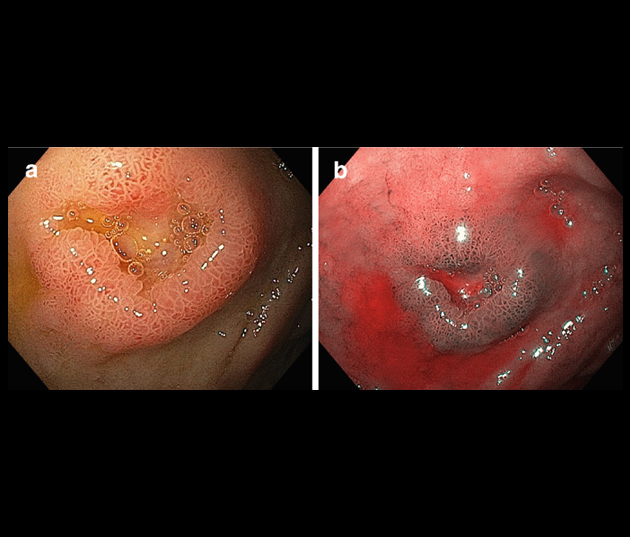
Obscure (Unknown) GI Bleed
Obscure gastrointestinal bleeding refers to bleeding from the digestive tract where the source cannot be identified after routine evaluation. It may occur anywhere along the gastrointestinal tract and can present as visible bleeding or as unexplained iron-deficiency anemia.
Identifying the source of bleeding is important because persistent or recurrent blood loss can lead to anemia, weakness and other complications. A systematic evaluation using endoscopic, imaging and other specialized investigations may be required to identify the underlying cause.
Conditions
Obscure GI bleeding may occur when the source of blood loss is difficult to identify with routine investigations. Common presentations and associated conditions include:
- Overt gastrointestinal bleeding with no identified source
- Occult gastrointestinal bleeding
- Unexplained iron-deficiency anemia
- Recurrent blood loss after negative initial investigations
- Small bowel bleeding
- Bleeding from vascular lesions
- Bleeding from ulcers, polyps or tumours
When routine upper and lower gastrointestinal evaluations do not identify the source, further assessment of the small intestine and other less easily accessible areas may be required.
Symptoms
Symptoms depend on the amount and duration of blood loss. Patients may experience:
- Black, tarry stools
- Fresh blood in the stool
- Vomiting blood or coffee-ground-like material
- Unexplained iron-deficiency anemia
- Fatigue and weakness
- Dizziness or light-headedness
- Pale skin due to anemia
- Shortness of breath on exertion
- Abdominal discomfort in some cases
Heavy or ongoing gastrointestinal bleeding may cause a drop in blood pressure, rapid heartbeat and severe weakness and requires urgent medical attention.
Causes
Obscure GI bleeding can arise from several conditions, particularly those involving parts of the digestive tract that may be difficult to evaluate with standard endoscopy.
- Small bowel ulcers or inflammation
- Angiodysplasia or other vascular lesions
- Small bowel tumours or polyps
- Bleeding from the stomach or duodenum
- Colonic polyps or tumours
- Inflammatory bowel disease
- Bleeding related to certain medications
- Other vascular or structural abnormalities of the gastrointestinal tract
In some patients, the bleeding may be intermittent, making it particularly difficult to identify the source during routine investigations.
Treatment
Treatment begins with assessment of the severity of blood loss and identification of the bleeding source. Initial investigations may include blood tests, upper gastrointestinal endoscopy and colonoscopy. If these do not identify the source, further small bowel evaluation may be required.
Depending on the suspected cause and clinical condition, treatment may include:
- Fluid and blood replacement when required
- Iron supplementation for iron-deficiency anemia
- Endoscopic treatment of an identified bleeding lesion
- Capsule endoscopy for evaluation of the small intestine
- Deep or device-assisted enteroscopy for diagnosis and treatment
- Radiological intervention for selected active bleeding
- Surgical removal or treatment of tumours, structural lesions or persistent bleeding sources when required
Complex or recurrent GI bleeding may require a combination of endoscopic, radiological and surgical approaches to control the bleeding and treat its underlying cause.
Prevention
Not every cause of obscure gastrointestinal bleeding can be prevented. However, early management of conditions that may cause GI bleeding can help reduce the risk of complications.
- Seek medical attention for unexplained or recurrent blood loss.
- Follow appropriate treatment for ulcers and gastrointestinal inflammation.
- Take medicines that can increase bleeding risk only under medical guidance.
- Follow recommended investigations for persistent iron-deficiency anemia.
- Maintain regular follow-up when a previous gastrointestinal bleeding source has been identified.
- Do not ignore black stools, blood in stools or vomiting blood.
- Seek urgent medical care for heavy or persistent gastrointestinal bleeding.
Timely evaluation is important because recurrent or unexplained gastrointestinal bleeding may indicate an underlying condition requiring specialized diagnosis and treatment.