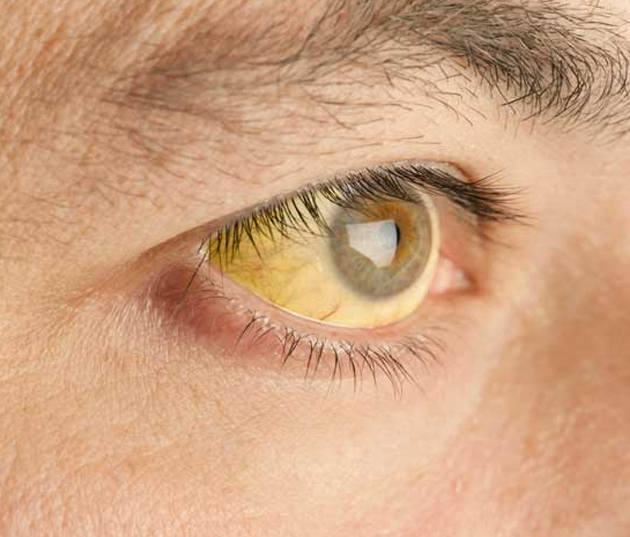
Obstructive Jaundice (Stones/Tumors)
Obstructive jaundice occurs when the normal flow of bile from the liver to the intestine becomes blocked. The obstruction may occur in the bile ducts due to gallstones, strictures or tumors involving the bile duct, gallbladder, pancreas or surrounding structures.
The condition can cause yellowing of the skin and eyes, dark urine, pale stools and itching. Treatment depends on the underlying cause and may involve endoscopic procedures, surgical treatment or other interventions to restore bile flow and address the source of the obstruction.
Conditions
Obstructive jaundice can result from conditions affecting the gallbladder, bile ducts, pancreas or nearby structures. Common causes and presentations include:
- Common bile duct stones (choledocholithiasis)
- Gallstones causing bile duct obstruction
- Bile duct strictures
- Benign biliary obstruction
- Cholangiocarcinoma or bile duct tumors
- Pancreatic head tumors causing bile duct compression
- Gallbladder or periampullary tumors
- Malignant biliary obstruction
Identifying the exact location and cause of the obstruction is important because the treatment approach differs between stone-related, benign and malignant biliary obstruction.
Symptoms
The symptoms of obstructive jaundice may vary depending on the cause and severity of the blockage. Common symptoms include:
- Yellowing of the skin and eyes
- Dark-coloured urine
- Pale or clay-coloured stools
- Generalized itching
- Abdominal pain or discomfort
- Nausea and vomiting
- Loss of appetite
- Unexplained weight loss
- Fever and chills when infection is present
- Weakness and fatigue
Jaundice associated with fever, chills and abdominal pain may indicate an infection of the bile ducts and requires prompt medical evaluation.
Causes
Obstructive jaundice develops when bile cannot flow normally from the liver into the intestine. Common causes include:
- Gallstones lodged in the common bile duct
- Bile duct strictures or narrowing
- Inflammation or scarring of the bile ducts
- Cholangiocarcinoma
- Pancreatic cancer, particularly tumors involving the head of the pancreas
- Gallbladder cancer
- Periampullary or duodenal tumors
- Compression of the bile duct by nearby masses or enlarged lymph nodes
A detailed evaluation is required to distinguish stone-related obstruction from malignant or benign causes and to determine the most appropriate treatment.
Treatment
Treatment focuses on relieving the obstruction, restoring bile flow and treating the underlying cause. Evaluation may include liver function tests, abdominal ultrasound, CT or MRI/MRCP and endoscopic assessment when required.
Treatment options may include:
- Endoscopic removal of common bile duct stones
- ERCP with biliary drainage or stent placement when appropriate
- Surgical removal of the gallbladder for suitable stone-related disease
- Treatment of benign bile duct strictures
- Surgical resection of suitable bile duct or gallbladder tumors
- Pancreaticoduodenectomy (Whipple procedure) for selected tumors involving the pancreatic head or periampullary region
- Biliary bypass procedures for selected complex obstructions
- Endoscopic or percutaneous biliary drainage for selected advanced malignant obstruction
Complex obstructive jaundice may require a multidisciplinary approach involving hepatobiliary surgeons, gastroenterologists, interventional radiologists, medical oncologists and other specialists.
The goal of treatment is to restore adequate bile drainage, treat the underlying condition and prevent complications such as cholangitis, liver dysfunction and nutritional problems.
Prevention
Not every case of obstructive jaundice can be prevented, particularly when it is caused by tumors. However, timely diagnosis and appropriate management of biliary conditions can help reduce complications.
- Seek medical evaluation for persistent abdominal pain or unexplained jaundice.
- Follow appropriate treatment for gallstone disease when advised.
- Maintain a healthy body weight and balanced diet.
- Follow medical advice for known liver, gallbladder or bile duct conditions.
- Attend regular follow-up for previously diagnosed biliary disease.
- Do not ignore yellowing of the eyes or skin, particularly when associated with dark urine or pale stools.
- Seek urgent medical attention if jaundice occurs with fever, chills or severe abdominal pain.
Early evaluation of jaundice can help identify the cause of bile duct obstruction and allow appropriate treatment before serious complications develop.