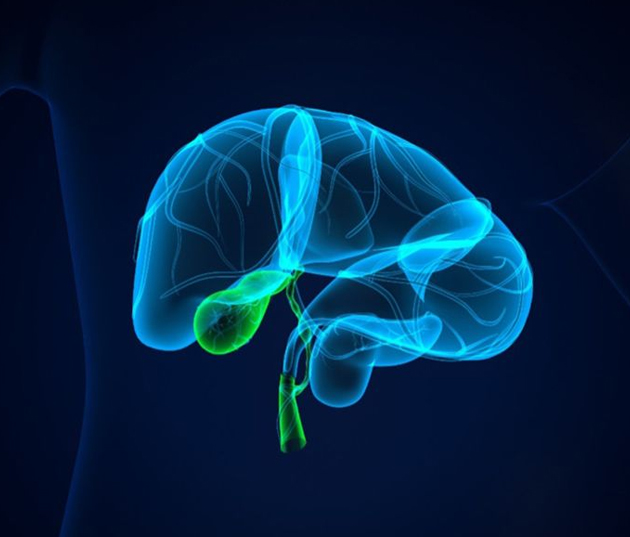
Gall Bladder and Bile Duct Cancer
Gall bladder and bile duct cancers are malignant tumors that develop in the gallbladder or in the network of bile ducts that carry bile from the liver to the intestine. These cancers are part of the hepatobiliary system and may affect bile flow as the disease progresses.
Treatment depends on the location and stage of the cancer, involvement of surrounding structures and the patient's overall health. Depending on the individual case, treatment may involve complex hepatobiliary surgery, chemotherapy, radiotherapy, targeted therapy or a combination of these approaches.
Conditions
Gall bladder and bile duct cancers can occur at different locations within the hepatobiliary system. Common types and presentations include:
- Gallbladder cancer
- Intrahepatic bile duct cancer
- Perihilar cholangiocarcinoma
- Distal bile duct cancer
- Locally advanced gallbladder cancer
- Bile duct cancer causing obstructive jaundice
- Advanced or metastatic hepatobiliary cancer
- Recurrent gallbladder or bile duct cancer
The exact location and extent of the tumor are important in determining whether surgical removal is possible and what type of treatment may be required.
Symptoms
Early gallbladder and bile duct cancers may cause few noticeable symptoms. As the disease progresses, patients may experience:
- Yellowing of the skin and eyes
- Dark-coloured urine
- Pale or clay-coloured stools
- Generalized itching
- Upper abdominal pain or discomfort
- Loss of appetite
- Unexplained weight loss
- Nausea and vomiting
- Fever or chills in cases associated with biliary infection
- Weakness and fatigue
Persistent jaundice, unexplained weight loss or ongoing upper abdominal symptoms should be evaluated promptly to identify the underlying cause.
Causes
The exact cause of gallbladder and bile duct cancer is not always known. Several conditions and risk factors may increase the likelihood of developing these cancers.
- Long-standing inflammation of the gallbladder or bile ducts
- Gallstones and chronic gallbladder disease
- Primary sclerosing cholangitis
- Certain congenital abnormalities of the bile ducts
- Choledochal cysts
- Chronic biliary inflammation or infection
- Increasing age
- Other genetic and environmental factors
The development of gallbladder or bile duct cancer is usually multifactorial, and having one or more risk factors does not necessarily mean that a person will develop cancer.
Treatment
Treatment is planned according to the location, type and stage of the cancer, its relationship with the liver, bile ducts, blood vessels and other nearby structures, and the patient's overall condition. Evaluation may include liver function tests, imaging studies, endoscopic assessment and biopsy when appropriate.
Treatment options may include:
- Surgical removal of the gallbladder and surrounding tissues for suitable gallbladder cancers
- Extended cholecystectomy with liver resection in selected cases
- Bile duct resection and reconstruction for selected bile duct cancers
- Liver resection for appropriately located intrahepatic or perihilar tumors
- Pancreaticoduodenectomy (Whipple procedure) for selected distal bile duct cancers
- Lymph node removal as part of appropriate cancer surgery
- Biliary drainage or stent placement for obstructive jaundice when required
- Chemotherapy for selected patients
- Targeted therapy or immunotherapy for appropriate advanced cancers
Complex gallbladder and bile duct cancers require careful multidisciplinary planning involving hepatobiliary surgeons, gastroenterologists, medical oncologists, radiologists and other specialists.
The goal of treatment is to achieve the best possible cancer control, relieve biliary obstruction when present and maintain the patient's overall health and quality of life.
Prevention
There is no guaranteed way to prevent gallbladder or bile duct cancer. However, appropriate management of known biliary conditions and timely evaluation of concerning symptoms may help reduce complications.
- Follow medical advice for gallstone and gallbladder disease.
- Maintain a healthy body weight and balanced lifestyle.
- Follow appropriate treatment and surveillance for chronic bile duct conditions.
- Attend regular specialist follow-up for known biliary abnormalities.
- Seek medical evaluation for persistent jaundice or unexplained abdominal symptoms.
- Do not ignore unexplained weight loss, dark urine or pale stools.
- Seek prompt medical attention if jaundice occurs with fever, chills or abdominal pain.
Early evaluation of persistent biliary symptoms can help identify the underlying condition and allow appropriate treatment at the earliest possible stage.