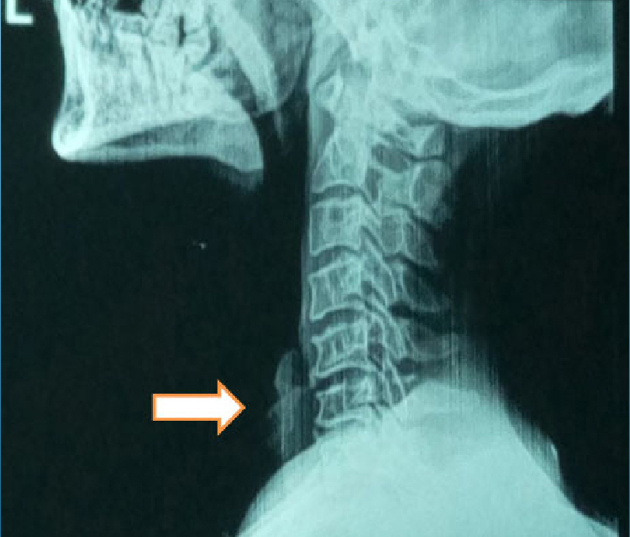
Foreign Body in Esophagus / Impacted Dentures
A foreign body in the esophagus occurs when an object becomes lodged in the swallowing passage and is unable to pass normally into the stomach. This can happen with food, bones, coins, dentures and other accidentally swallowed objects.
Impacted dentures are an important type of esophageal foreign body, particularly in individuals who wear removable dental appliances. Prompt assessment and removal are important to prevent injury to the esophageal wall, perforation, breathing problems and other serious complications.
Conditions
Foreign bodies may become lodged at different levels of the esophagus. Common presentations include:
- Impacted dentures in the esophagus
- Food bolus obstruction
- Swallowed bones or sharp food particles
- Coins and other small objects
- Foreign bodies causing partial esophageal obstruction
- Complete esophageal obstruction
- Foreign body associated with esophageal injury or perforation
The urgency of treatment depends on the type, size and location of the foreign body and whether there is complete obstruction or injury to the esophagus.
Symptoms
Symptoms depend on the size and location of the impacted object. Common symptoms include:
- Sudden difficulty in swallowing
- Feeling that an object is stuck in the throat or chest
- Pain while swallowing
- Inability to swallow food or liquids
- Excessive drooling
- Chest, throat or neck discomfort
- Coughing or choking
- Vomiting or retching
- Breathing difficulty in severe cases
Complete inability to swallow saliva, severe chest pain or breathing difficulty may indicate a serious obstruction or complication and requires urgent medical attention.
Causes
Esophageal foreign bodies may be swallowed accidentally or become lodged because of an underlying swallowing problem. Common causes include:
- Accidental swallowing of food or foreign objects
- Impacted removable dentures
- Swallowing fish or chicken bones
- Eating food without adequate chewing
- Underlying esophageal narrowing or stricture
- Difficulty in swallowing due to an esophageal disorder
- Accidental ingestion by children or elderly individuals
Dentures may be particularly difficult to retrieve because of their size, shape and sharp edges, which can cause significant injury to the esophageal wall during impaction or removal.
Treatment
Treatment depends on the type and location of the foreign body, the duration of impaction and the presence of complications. A clinical examination and appropriate imaging may be performed to determine the location and characteristics of the object.
Upper gastrointestinal endoscopy is commonly used for diagnosis and removal of esophageal foreign bodies. Treatment may include:
- Endoscopic removal of the impacted foreign body
- Careful retrieval of impacted dentures using appropriate instruments
- Assessment of the esophageal wall for injury after removal
- Management of mucosal injury or bleeding
- Drainage and treatment of complications when perforation occurs
- Surgical removal in complex cases where endoscopic retrieval is not possible or safe
- Treatment of an underlying stricture or narrowing when identified
Early removal is important because prolonged impaction can increase the risk of pressure injury, ulceration, bleeding, perforation and infection.
Prevention
Many esophageal foreign body incidents can be reduced through appropriate precautions, particularly among children, elderly individuals and people using removable dentures.
- Ensure dentures are properly fitted and maintained.
- Have loose or damaged dentures checked by a dental professional.
- Chew food thoroughly before swallowing.
- Take extra care while eating foods containing bones or hard pieces.
- Keep small objects away from young children.
- Do not attempt to force an impacted object down by eating more food.
- Seek prompt medical attention when an object is suspected to be stuck in the esophagus.
Early specialist evaluation and appropriate removal can help prevent serious esophageal injury and other complications.