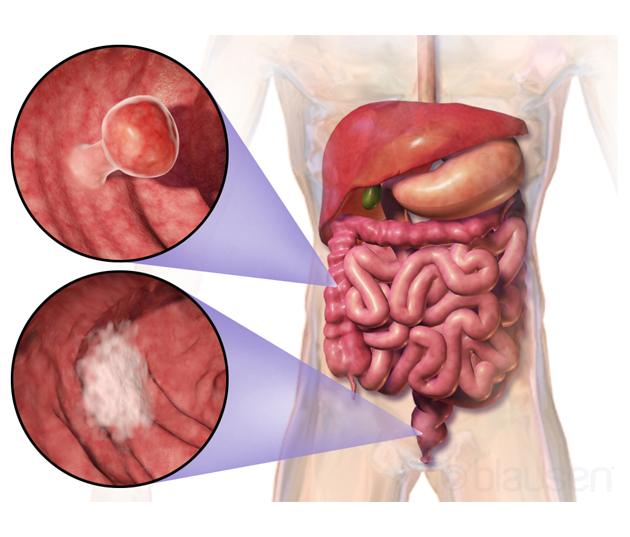
Colonic or Ano Rectal Cancer
Colorectal cancer is a malignant growth that develops in the colon or rectum, while anal cancer develops in the anal canal. These cancers can affect bowel function and may spread to nearby lymph nodes or other organs if not diagnosed and treated appropriately.
Treatment depends on the location, type and stage of the cancer, as well as the patient's overall health. Management may involve surgery, chemotherapy, radiotherapy, targeted therapy, immunotherapy or a combination of treatments.
Conditions
Cancer may develop in different portions of the colon, rectum or anal canal. Common types and presentations include:
- Colon cancer
- Rectal cancer
- Anal canal cancer
- Locally advanced colorectal cancer
- Colorectal cancer causing bowel obstruction
- Colorectal cancer associated with gastrointestinal bleeding
- Advanced or metastatic colorectal cancer
- Recurrent colorectal cancer
Accurate diagnosis and staging are important to determine the most appropriate treatment and whether surgical removal of the cancer is possible.
Symptoms
Symptoms may vary depending on the location and stage of the cancer. Common symptoms include:
- Blood in the stool or rectal bleeding
- Persistent change in bowel habits
- Diarrhoea or constipation
- Feeling of incomplete bowel evacuation
- Abdominal pain or cramping
- Unexplained weight loss
- Loss of appetite
- Weakness and fatigue
- Iron-deficiency anemia
- Abdominal swelling or symptoms of bowel obstruction in advanced cases
Persistent rectal bleeding, unexplained weight loss or a significant change in bowel habits should be evaluated promptly, even when symptoms appear mild.
Causes
Colorectal and anal cancers develop when abnormal cells grow uncontrollably. Several factors may increase the risk of developing these cancers.
- Increasing age
- Family history of colorectal cancer or polyps
- Personal history of colorectal polyps
- Long-standing inflammatory bowel disease
- Inherited conditions such as familial adenomatous polyposis or Lynch syndrome
- Smoking and tobacco use
- Excessive alcohol consumption
- Overweight or obesity and physical inactivity
- Dietary and environmental factors
Cancer usually develops through a combination of genetic, environmental and lifestyle factors. Having a risk factor does not necessarily mean that a person will develop colorectal or anal cancer.
Treatment
Treatment is planned according to the location, type and stage of the cancer, along with the patient's general health and nutritional status. Evaluation may include colonoscopy or other endoscopic assessment with biopsy, imaging studies and additional staging investigations.
Treatment options may include:
- Surgical removal of the affected portion of the colon
- Rectal cancer surgery with appropriate lymph node removal
- Minimally invasive laparoscopic or robotic colorectal surgery in suitable patients
- Neoadjuvant chemotherapy and/or radiotherapy for selected rectal cancers
- Adjuvant chemotherapy after surgery when indicated
- Local treatment for selected early-stage lesions
- Targeted therapy or immunotherapy for selected advanced cancers
- Management of bowel obstruction or other complications
Complex colorectal cancers may require a multidisciplinary approach involving colorectal surgeons, surgical gastroenterologists, medical oncologists, radiation oncologists, radiologists and other specialists.
The aim of treatment is to achieve the best possible cancer control while preserving bowel function and maintaining the patient's quality of life whenever possible.
Prevention
Not every case of colorectal or anal cancer can be prevented, but screening and healthy lifestyle measures can help reduce risk and improve the chances of detecting disease at an earlier stage.
- Follow recommended colorectal cancer screening guidelines.
- Attend surveillance colonoscopy when advised.
- Maintain a healthy body weight and remain physically active.
- Eat a balanced diet rich in fibre, vegetables and fruits.
- Limit processed and heavily preserved foods.
- Avoid smoking and tobacco products.
- Limit excessive alcohol consumption.
- Seek medical evaluation for persistent rectal bleeding or changes in bowel habits.
Regular screening can help identify and remove precancerous colonic polyps before they develop into cancer, while early evaluation of symptoms can help detect colorectal cancer at a more treatable stage.