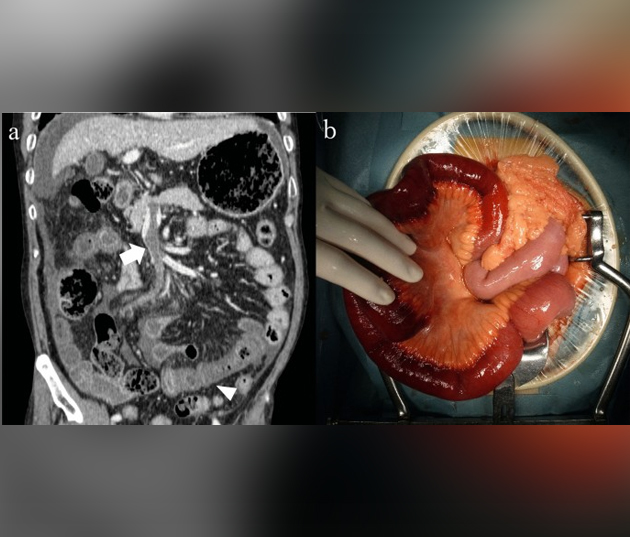
SMA/SMV Ischemia / Thrombosis / Gangrene
Mesenteric Ischemia is a serious condition in which the blood supply to the intestine is reduced or blocked. The superior mesenteric artery (SMA) supplies oxygen-rich blood to a large part of the small intestine and colon, while the superior mesenteric vein (SMV) drains blood from the intestine. Blockage or thrombosis of these vessels can compromise intestinal blood flow and may result in bowel injury or gangrene.
Acute or severe mesenteric Ischemia requires urgent evaluation and treatment because prolonged loss of blood supply can cause irreversible intestinal damage, perforation, sepsis and other life-threatening complications. Early diagnosis and restoration of blood flow are important to preserve viable bowel whenever possible.
Conditions
Mesenteric vascular disease may affect the arteries, veins or both and can range from reduced blood flow to extensive intestinal necrosis. Common presentations include:
- Superior mesenteric artery (SMA) Ischemia
- Superior mesenteric artery thrombosis
- Superior mesenteric vein (SMV) thrombosis
- Acute mesenteric Ischemia
- Intestinal Ischemia due to reduced blood flow
- Ischaemic bowel with intestinal necrosis
- Gangrene of the small intestine or colon
- Mesenteric Ischemia complicated by perforation or sepsis
The severity depends on the vessel involved, the extent of blood-flow reduction, the duration of Ischemia and whether the affected bowel remains viable.
Symptoms
Symptoms may develop suddenly in acute mesenteric Ischemia or progress more gradually in some vascular conditions. Common symptoms include:
- Sudden or severe abdominal pain
- Abdominal pain that may initially appear disproportionate to examination findings
- Nausea and vomiting
- Abdominal bloating or distension
- Diarrhoea or altered bowel movements
- Blood in the stool or gastrointestinal bleeding
- Fever and weakness
- Rapid heartbeat
- Abdominal tenderness or rigidity in advanced disease
- Signs of shock or severe infection in cases of bowel gangrene
Severe or sudden abdominal pain, particularly when associated with vomiting, blood in the stool, weakness or abdominal distension, requires urgent medical assessment.
Causes
Mesenteric Ischemia can occur when blood flow through the mesenteric arteries or veins becomes blocked or significantly reduced. Common causes and risk factors include:
- Thrombosis of the superior mesenteric artery
- Thrombosis of the superior mesenteric vein
- Embolic blockage of the mesenteric artery
- Atherosclerotic narrowing of mesenteric arteries
- Conditions causing increased risk of blood clotting
- Heart rhythm disorders or other cardiovascular conditions
- Low blood pressure or reduced circulation
- Inflammatory or systemic conditions affecting blood vessels
- Previous abdominal or vascular disease
The underlying cause must be identified because treatment may need to address both the loss of intestinal blood supply and the vascular or clotting disorder responsible for it.
Treatment
Mesenteric Ischemia is a potentially life-threatening condition and requires urgent assessment. Treatment depends on the type of vascular problem, the extent of intestinal injury and the patient's overall condition.
Treatment may include:
- Intravenous fluids and circulatory stabilization
- Anticoagulation in appropriate patients
- Urgent restoration of blood flow when indicated
- Endovascular treatment for selected arterial or venous blockages
- Thrombolysis or thrombectomy in carefully selected cases
- Surgical removal of blood clots when required
- Surgical assessment of intestinal viability
- Removal of non-viable or gangrenous bowel
- Management of perforation, peritonitis or sepsis
When bowel gangrene has developed, surgery may be required to remove the dead intestine and control contamination. In selected patients, restoration of blood flow may help preserve viable bowel and reduce the extent of intestinal resection.
Early diagnosis and treatment are essential because prolonged intestinal Ischemia can result in irreversible bowel damage and serious complications.
Prevention
Not every case of mesenteric Ischemia can be prevented, particularly when it results from an acute embolus or other sudden vascular event. However, managing underlying vascular and clotting risk factors may help reduce the risk.
- Follow medical advice for heart and vascular conditions.
- Manage conditions associated with increased risk of blood clots.
- Take prescribed anticoagulant or cardiovascular medicines as directed.
- Avoid smoking and tobacco products.
- Maintain healthy blood pressure, cholesterol and blood sugar levels.
- Attend regular follow-up for known vascular disease.
- Seek immediate medical attention for sudden, severe or unexplained abdominal pain.
Because intestinal Ischemia can progress rapidly to bowel gangrene, perforation and sepsis, prompt specialist assessment of sudden abdominal symptoms is essential.