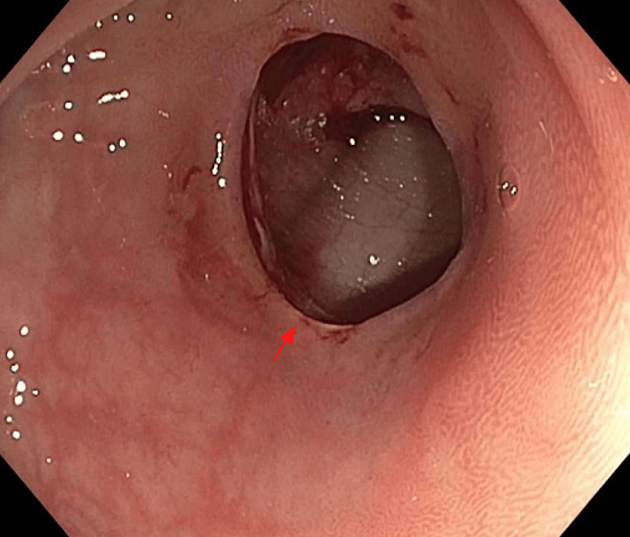
Perforation (Iatrogenic / Traumatic / Neoplastic)
Gastrointestinal perforation is a serious condition in which a hole or tear develops in the wall of the stomach or intestine, allowing gastrointestinal contents to leak into the surrounding abdominal cavity. It can occur due to medical procedures, physical injury or an underlying tumour affecting the gastrointestinal tract.
Perforation can lead to inflammation, infection of the abdominal cavity and other potentially life-threatening complications. Early diagnosis and appropriate treatment are essential to control contamination, treat the underlying cause and prevent further deterioration.
Conditions
Gastrointestinal perforation may develop in different parts of the digestive tract and may be associated with traumatic, iatrogenic or neoplastic causes. Common presentations include:
- Iatrogenic gastrointestinal perforation
- Traumatic gastrointestinal perforation
- Perforation associated with gastrointestinal tumours
- Perforation of the stomach or small intestine
- Perforation of the colon or rectum
- Contained gastrointestinal perforation
- Free perforation with abdominal contamination
The severity depends on the location and size of the perforation, the underlying cause, the degree of contamination and the time between perforation and treatment.
Symptoms
Symptoms may develop suddenly or progress gradually depending on the cause and extent of the perforation. Common symptoms include:
- Sudden or severe abdominal pain
- Abdominal tenderness and rigidity
- Abdominal swelling or distension
- Nausea and vomiting
- Fever and chills
- Rapid heartbeat
- Loss of appetite
- Difficulty passing stools or gas
- Weakness, dizziness or signs of severe infection
Severe abdominal pain accompanied by fever, vomiting, abdominal rigidity or weakness requires urgent medical assessment because perforation can rapidly lead to serious infection.
Causes
Gastrointestinal perforation can occur as a result of medical intervention, physical injury or an underlying tumour that weakens and damages the gastrointestinal wall.
- Perforation following endoscopic or other gastrointestinal procedures
- Surgical or procedural injury to the gastrointestinal tract
- Blunt or penetrating abdominal trauma
- Perforation through a gastrointestinal tumour
- Tumour-related weakening of the intestinal wall
- Obstruction associated with an underlying neoplastic condition
- Other gastrointestinal conditions causing severe damage to the bowel wall
Neoplastic perforation may occur when a tumour directly invades or weakens the gastrointestinal wall. Identifying the underlying cause is important because treatment must address both the perforation and the primary disease.
Treatment
Treatment depends on the location and size of the perforation, the cause, the extent of abdominal contamination and the patient's overall condition. Initial management focuses on stabilization, controlling infection and preventing further leakage.
Treatment may include:
- Intravenous fluids and circulatory stabilization
- Appropriate antibiotic therapy
- Pain control and supportive care
- Nil-by-mouth and nutritional support when required
- Drainage of localized infected collections
- Endoscopic closure or other minimally invasive treatment in selected cases
- Surgical repair or removal of the perforated segment
- Management of the underlying tumour in neoplastic perforation
Surgery may be required for free perforation, significant contamination, ongoing leakage, severe infection or deterioration despite conservative treatment. In neoplastic perforation, the surgical plan may also involve appropriate cancer surgery depending on the location and extent of the tumour.
Early treatment is important to control contamination and reduce the risk of sepsis and other serious complications.
Prevention
Not all gastrointestinal perforations can be prevented, particularly those caused by trauma or advanced tumours. However, appropriate medical care and early treatment of underlying conditions may help reduce complications.
- Follow appropriate precautions during gastrointestinal procedures.
- Seek timely treatment for persistent abdominal or gastrointestinal symptoms.
- Follow recommended surveillance and treatment for known gastrointestinal tumours.
- Seek immediate medical attention following significant abdominal trauma.
- Do not ignore sudden severe abdominal pain, vomiting or abdominal swelling.
- Follow medical advice after gastrointestinal surgery or endoscopic procedures.
- Attend regular follow-up for previously diagnosed gastrointestinal conditions.
Prompt evaluation of severe or sudden abdominal symptoms can help identify perforation early and allow appropriate treatment before serious complications develop.