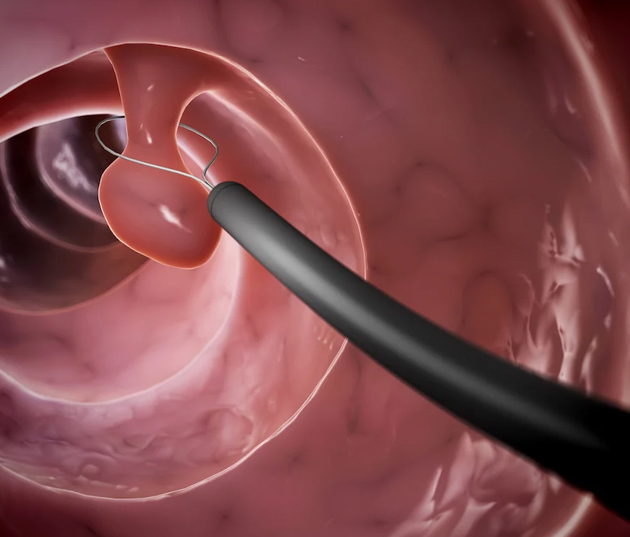
Colonic Polyps
Colonic polyps are abnormal growths that develop on the inner lining of the large intestine or colon. Most polyps are benign, but certain types can gradually develop into colorectal cancer if they are not detected and removed.
Many colonic polyps do not cause noticeable symptoms and are often discovered during screening colonoscopy. Identifying and removing potentially precancerous polyps can help reduce the risk of developing colorectal cancer.
Conditions
Colonic polyps can vary in size, number and type. Common types and presentations include:
- Adenomatous polyps
- Hyperplastic polyps
- Serrated polyps
- Inflammatory polyps
- Single or multiple colonic polyps
- Large or complex polyps
- Polyps with precancerous changes
- Polyps associated with inherited polyposis syndromes
The type, size, number and microscopic features of a polyp help determine the risk of future colorectal cancer and the need for follow-up surveillance.
Symptoms
Most colonic polyps do not produce symptoms, particularly when they are small. When symptoms occur, they may include:
- Blood in the stool
- Rectal bleeding
- Change in bowel habits
- Persistent diarrhoea or constipation
- Abdominal discomfort or cramps
- Excessive mucus in the stool
- Iron-deficiency anemia due to slow blood loss
- Unexplained weakness or fatigue
Because many polyps are asymptomatic, appropriate colorectal cancer screening is important, particularly for individuals at increased risk.
Causes
Colonic polyps develop when cells in the lining of the colon grow abnormally. Several factors may increase the likelihood of developing polyps.
- Increasing age
- Family history of colorectal polyps or cancer
- Inherited conditions such as familial adenomatous polyposis
- Long-standing inflammatory bowel disease
- Smoking and tobacco use
- Excessive alcohol consumption
- Overweight or obesity
- Dietary and lifestyle factors
The development of colonic polyps is usually influenced by multiple factors. Having a risk factor does not necessarily mean that a person will develop polyps.
Treatment
Treatment depends on the number, size, location and type of polyps. Colonoscopy is commonly used both to identify polyps and, in many cases, remove them during the same procedure.
Treatment options may include:
- Endoscopic polypectomy during colonoscopy
- Snare removal of suitable polyps
- Endoscopic mucosal resection for selected larger lesions
- Advanced endoscopic removal of complex polyps in appropriate cases
- Surgical removal of part of the colon for selected large, inaccessible or cancerous polyps
- Histopathological examination of removed polyps
- Regular surveillance colonoscopy based on the type and findings of the polyp
Most polyps can be safely removed endoscopically. Surgery may be recommended when a polyp cannot be completely removed through colonoscopy or when cancer is suspected or confirmed.
The pathology report helps determine whether further treatment or closer surveillance is required.
Prevention
Not all colonic polyps can be prevented, but screening and healthy lifestyle measures can help reduce the risk of colorectal cancer and allow polyps to be detected at an early stage.
- Follow recommended colorectal cancer screening guidelines.
- Attend surveillance colonoscopy when advised.
- Maintain a healthy body weight.
- Eat a balanced diet rich in fibre, vegetables and fruits.
- Limit processed and heavily preserved foods.
- Avoid smoking and tobacco products.
- Limit excessive alcohol consumption.
- Remain physically active and maintain a healthy lifestyle.
Regular screening is particularly important because many colonic polyps cause no symptoms. Detecting and removing precancerous polyps can help prevent the development of colorectal cancer.