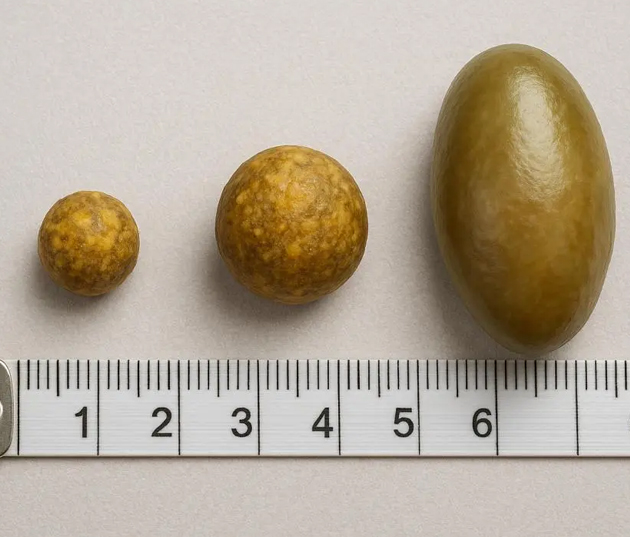
Gall Bladder Stones
Gall bladder stones, also known as gallstones, are solid deposits that develop inside the gallbladder from substances present in bile. They may remain in the gallbladder without causing symptoms or may block the flow of bile, leading to pain, inflammation and other complications.
Gallstones can sometimes move into the common bile duct and cause obstructive jaundice or infection. Treatment depends on the presence of symptoms, the location of the stones and whether complications have developed.
Conditions
Gallstones can present in different ways depending on whether they remain within the gallbladder or enter the bile ducts. Common conditions include:
- Asymptomatic gallstones
- Symptomatic gallstones
- Biliary colic due to gallstones
- Acute cholecystitis
- Chronic gallbladder inflammation
- Common bile duct stones (choledocholithiasis)
- Gallstone-related obstructive jaundice
- Gallstone-related pancreatitis
The location of the stone and the presence of inflammation, bile duct obstruction or pancreatitis are important factors in deciding the appropriate treatment.
Symptoms
Many people with gallstones have no symptoms. When stones cause obstruction or inflammation, patients may experience:
- Sudden pain in the upper right or upper middle abdomen
- Pain after eating, particularly after fatty meals
- Pain that may radiate to the back or right shoulder
- Nausea and vomiting
- Abdominal fullness or indigestion
- Fever and chills in cases of infection or inflammation
- Yellowing of the skin and eyes when the bile duct is blocked
- Dark urine and pale stools in obstructive jaundice
Severe or persistent abdominal pain, fever, vomiting or jaundice should be evaluated promptly because these symptoms may indicate a complication requiring urgent treatment.
Causes
Gallstones form when substances in bile become imbalanced and crystallize within the gallbladder. Different factors may increase the likelihood of stone formation.
- Excess cholesterol in bile
- Excess bilirubin in bile
- Incomplete emptying of the gallbladder
- Overweight or obesity
- Rapid weight loss
- Female sex and certain hormonal factors
- Increasing age
- Family history of gallstones
- Certain medical conditions and medications
Gallstones develop through a combination of metabolic, genetic and lifestyle-related factors. The presence of risk factors does not necessarily mean that a person will develop symptomatic gallstones.
Treatment
Treatment depends on whether the gallstones are causing symptoms or complications. Diagnosis may involve abdominal ultrasound, blood tests and additional imaging or endoscopic investigations when bile duct stones or other complications are suspected.
Treatment options may include:
- Observation for selected patients with asymptomatic gallstones
- Laparoscopic cholecystectomy for symptomatic or complicated gallstone disease
- Endoscopic removal of common bile duct stones using ERCP when indicated
- Bile duct exploration in selected cases
- Antibiotics and supportive treatment for associated infection when required
- Management of gallstone-related pancreatitis
- Urgent treatment of gallstone-related obstructive jaundice or cholangitis
Laparoscopic gallbladder removal is commonly recommended for patients with symptomatic gallstones or complications. When stones are present in the common bile duct, endoscopic or surgical bile duct clearance may also be required.
The treatment plan is individualized according to the patient's symptoms, imaging findings, overall health and the presence of complications.
Prevention
Gallstones cannot always be prevented, but certain lifestyle measures may help reduce the risk of developing them.
- Maintain a healthy body weight.
- Avoid rapid or extreme weight loss.
- Follow a balanced diet with adequate fibre.
- Limit excessive intake of high-fat and highly processed foods.
- Remain physically active and maintain a healthy lifestyle.
- Follow medical advice when conditions associated with gallstone formation are present.
- Seek medical evaluation for recurrent upper abdominal pain or digestive symptoms.
Early evaluation of symptomatic gallstones can help identify complications and allow appropriate treatment before problems such as bile duct obstruction, infection or pancreatitis develop.