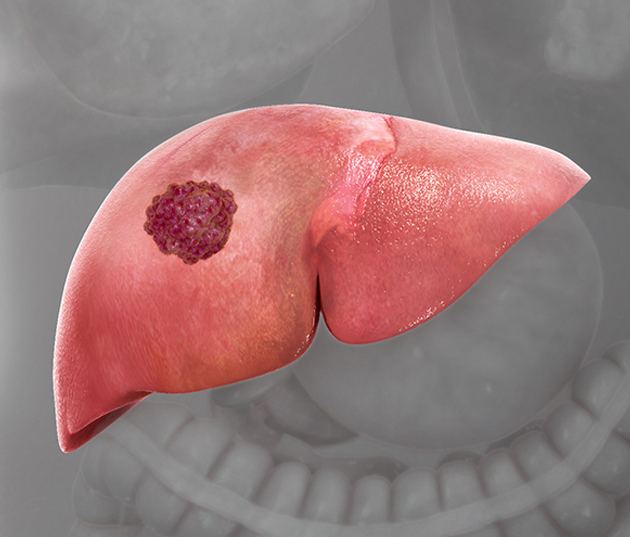
Liver Cancer
Liver cancer is a malignant tumour that develops in the liver. It may arise from the liver cells themselves or occur when cancer from another part of the body spreads to the liver. Primary liver cancers include hepatocellular carcinoma and other less common tumors of the liver.
Treatment depends on the type, size, number and location of the tumors, the condition of the liver, the stage of the disease and the patient's overall health. Management may involve liver resection, liver transplantation, ablation, embolization, systemic therapy or a combination of these approaches.
Conditions
Liver cancer can occur in different forms and may involve different parts of the liver. Common types and presentations include:
- Hepatocellular carcinoma (HCC)
- Intrahepatic cholangiocarcinoma
- Fibrolamellar liver cancer
- Single or multiple liver tumors
- Locally advanced liver cancer
- Liver cancer associated with chronic liver disease or cirrhosis
- Recurrent liver cancer
- Secondary or metastatic liver tumors
Accurate diagnosis and staging are important to determine whether the tumor can be removed surgically, treated with liver-directed therapy or managed with other treatment options.
Symptoms
Liver cancer may not cause noticeable symptoms during its early stages. As the disease progresses, patients may experience:
- Unexplained weight loss
- Loss of appetite
- Persistent upper abdominal discomfort or pain
- A feeling of fullness after eating small amounts
- Abdominal swelling or fluid accumulation
- Yellowing of the skin and eyes
- Dark-coloured urine
- General weakness and fatigue
- Nausea or vomiting
- Fever in selected cases
Persistent abdominal discomfort, unexplained weight loss, jaundice or worsening weakness should be evaluated promptly, particularly in individuals with known chronic liver disease.
Causes
The risk of primary liver cancer is associated with several chronic liver conditions and other factors that can cause long-term liver injury.
- Chronic hepatitis B infection
- Chronic hepatitis C infection
- Liver cirrhosis
- Long-term excessive alcohol consumption
- Non-alcoholic fatty liver disease and metabolic liver disease
- Certain inherited liver conditions
- Exposure to certain toxins or carcinogenic substances
- Increasing age and other genetic or environmental factors
Liver cancer usually develops through a combination of chronic liver injury, genetic changes and other risk factors. Having a risk factor does not necessarily mean that a person will develop liver cancer.
Treatment
Treatment is planned according to the type, size, number and location of the tumor, the function and condition of the liver, the presence of cirrhosis, the stage of the cancer and the patient's overall health. Evaluation may include liver function tests, tumor markers, ultrasound, CT or MRI and other investigations when required.
Treatment options may include:
- Surgical liver resection for suitable localized tumors
- Liver transplantation for selected patients with appropriate tumor and liver disease characteristics
- Radiofrequency or microwave ablation for selected small tumors
- Transarterial chemoembolization (TACE) for selected liver tumors
- Transarterial radioembolization (TARE) in appropriate patients
- Systemic therapy for advanced or unresectable liver cancer
- Targeted therapy or immunotherapy for selected patients
- Supportive and palliative treatment for advanced disease
The choice of treatment depends on both the cancer and the underlying condition of the liver. Patients with complex liver tumors may benefit from a multidisciplinary approach involving hepatobiliary surgeons, transplant surgeons, oncologists, radiologists, gastroenterologists and other specialists.
The goal of treatment is to achieve the best possible cancer control while preserving adequate liver function and maintaining the patient's quality of life.
Prevention
Not every case of liver cancer can be prevented, but reducing chronic liver injury and managing known risk factors may help lower the risk.
- Follow appropriate prevention and treatment measures for hepatitis B and hepatitis C.
- Avoid excessive alcohol consumption.
- Maintain a healthy body weight and active lifestyle.
- Follow appropriate management for fatty liver disease and metabolic conditions.
- Follow regular medical monitoring for chronic liver disease and cirrhosis.
- Attend recommended liver cancer surveillance when advised.
- Seek medical evaluation for persistent abdominal symptoms, unexplained weight loss or jaundice.
Regular surveillance in people at increased risk can help detect liver tumors at an earlier stage, when potentially curative treatment options may be available.