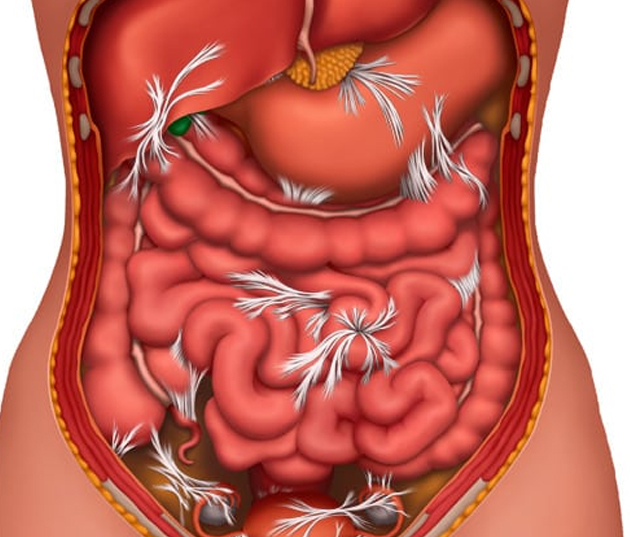
Emergency Surgeries for Hernia, Bowel Obstruction, Perforation, Appendix & Trauma
Emergency abdominal surgery may be required when a sudden or severe condition threatens the function of the intestine, abdominal organs or the patient's overall health. Conditions such as strangulated hernia, bowel obstruction, intestinal perforation, acute appendicitis and major abdominal trauma may require rapid assessment and urgent surgical treatment.
Early diagnosis and timely intervention are important to control bleeding or infection, relieve obstruction, repair damaged organs and prevent serious complications. The surgical approach depends on the underlying condition, severity of illness and the patient's overall health.
Conditions
Emergency abdominal surgery may be required for a wide range of acute surgical conditions, including:
- Incarcerated or strangulated hernia
- Small bowel obstruction
- Large bowel obstruction
- Intestinal perforation
- Peritonitis due to gastrointestinal perforation
- Acute appendicitis and complicated appendicitis
- Abdominal trauma involving solid or hollow organs
- Internal bleeding following abdominal trauma
- Ischemic or gangrenous bowel requiring emergency treatment
- Other acute abdominal conditions requiring urgent surgery
The exact cause and severity of the emergency are assessed through clinical examination, blood tests and appropriate imaging to determine the safest and most effective treatment.
Symptoms
Emergency abdominal conditions may develop suddenly and can worsen rapidly. Common warning symptoms include:
- Severe or rapidly worsening abdominal pain
- Abdominal swelling or distension
- Persistent nausea and vomiting
- Inability to pass stools or gas
- Fever and chills
- Blood in the stool or vomiting blood
- A painful or irreducible abdominal or groin swelling
- Marked abdominal tenderness
- Weakness, dizziness or fainting
- Signs of shock or severe infection in advanced cases
Severe abdominal pain, persistent vomiting, abdominal distension, inability to pass stools or gas, or a painful swelling that cannot be pushed back should be evaluated immediately.
Causes
Emergency surgical conditions can develop due to several underlying problems affecting the abdominal organs. Common causes include:
- Hernia with bowel incarceration or strangulation
- Adhesions following previous abdominal surgery
- Intestinal tumors causing obstruction
- Severe inflammation or infection of the intestine
- Appendiceal inflammation and perforation
- Peptic or intestinal perforation
- Reduced blood supply to the intestine
- Blunt or penetrating abdominal trauma
- Injuries involving the liver, spleen, pancreas or bowel
The underlying cause determines whether the patient requires emergency surgery, minimally invasive intervention, endoscopic treatment or carefully monitored non-operative management.
Treatment
Emergency treatment begins with rapid assessment and stabilization. Depending on the condition, investigations may include blood tests, ultrasound, X-ray or contrast-enhanced CT imaging.
Emergency surgical treatment may include:
- Emergency repair of incarcerated or strangulated hernias
- Release of intestinal obstruction and treatment of its underlying cause
- Removal of non-viable or gangrenous bowel when required
- Repair or resection of perforated intestine
- Appendectomy for acute or complicated appendicitis
- Abdominal washout and treatment of peritonitis
- Control of internal bleeding following abdominal trauma
- Repair or resection of injured abdominal organs
- Drainage of abdominal abscesses or infected collections when indicated
- Open or minimally invasive surgery depending on the patient's condition and the nature of the emergency
In critically ill patients, rapid resuscitation and control of bleeding, contamination or infection are the immediate priorities. The surgical approach is selected according to the urgency, extent of disease and overall condition of the patient.
Emergency abdominal surgery requires coordinated care involving surgeons, anesthesiologists, radiologists, intensivists and other specialists when necessary.
Prevention
Not every abdominal emergency can be prevented. However, early evaluation of concerning symptoms and appropriate management of known abdominal conditions can reduce the risk of severe complications.
- Seek early medical evaluation for persistent or worsening abdominal pain.
- Do not ignore a new, painful or irreducible hernia.
- Seek prompt treatment for symptoms of bowel obstruction.
- Do not delay evaluation of suspected appendicitis.
- Follow appropriate treatment and follow-up after previous abdominal surgery.
- Use seat belts and appropriate safety equipment to reduce the risk of abdominal trauma.
- Follow medical advice for known gastrointestinal or abdominal conditions.
Timely recognition and treatment of acute abdominal conditions can help prevent complications such as bowel gangrene, perforation, severe infection, internal bleeding and organ failure.