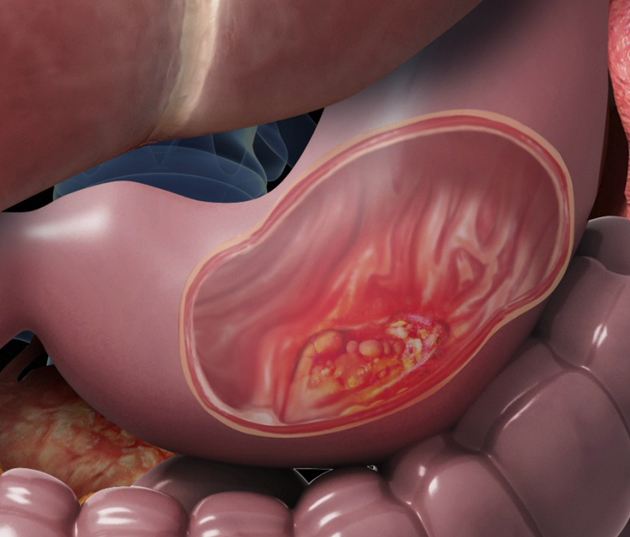
Gastric Cancer
Gastric cancer, also known as stomach cancer, is a malignant tumour that develops in the lining of the stomach. It can develop in different parts of the stomach and may gradually spread into nearby tissues or other organs if left untreated.
Treatment depends on the location and stage of the cancer, the patient's overall health and whether the disease has spread. Management may involve surgery, chemotherapy, targeted therapy, immunotherapy or a combination of treatments.
Conditions
Gastric cancer can develop in different regions of the stomach and may present at different stages. Common types and presentations include:
- Adenocarcinoma of the stomach
- Cancer of the upper or lower stomach
- Locally advanced gastric cancer
- Gastric cancer causing gastric outlet obstruction
- Gastric cancer involving nearby lymph nodes
- Advanced or metastatic gastric cancer
- Recurrent gastric cancer
Early diagnosis and accurate staging are important for determining the most appropriate treatment approach and assessing whether surgical treatment is suitable.
Symptoms
Early gastric cancer may cause few or nonspecific symptoms. As the disease progresses, patients may experience:
- Persistent indigestion or discomfort in the upper abdomen
- Feeling full after eating small amounts of food
- Loss of appetite
- Nausea or recurrent vomiting
- Unexplained weight loss
- Abdominal pain or bloating
- Difficulty in swallowing when the upper stomach is involved
- Vomiting blood or blood in the stool
- Weakness and fatigue due to anemia
Persistent digestive symptoms, unexplained weight loss or recurrent vomiting should be evaluated promptly, particularly when symptoms progressively worsen.
Causes
Gastric cancer develops when abnormal cells in the stomach grow and multiply uncontrollably. Several factors may increase the risk of developing the disease.
- Helicobacter pylori infection
- Long-standing inflammation of the stomach
- Smoking and tobacco use
- Family history of gastric cancer
- Certain inherited genetic conditions
- Previous stomach surgery or certain gastric conditions
- Dietary and environmental factors
- Increasing age
The development of gastric cancer is usually multifactorial. Having a risk factor does not necessarily mean that a person will develop the disease.
Treatment
Treatment is planned according to the location, type and stage of the gastric cancer, along with the patient's general health and nutritional status. Evaluation may include upper gastrointestinal endoscopy with biopsy, imaging studies and other staging investigations.
Treatment options may include:
- Partial or total gastrectomy for suitable patients
- Removal of regional lymph nodes during cancer surgery
- Neoadjuvant chemotherapy before surgery in selected cases
- Adjuvant chemotherapy following surgery when indicated
- Targeted therapy for selected advanced cancers
- Immunotherapy for appropriate patients
- Endoscopic treatment for selected early gastric cancers
- Procedures to relieve gastric outlet obstruction in advanced disease
- Nutritional support during treatment and recovery
Complex gastric cancer cases may require a multidisciplinary approach involving surgical gastroenterologists, medical oncologists, radiation oncologists, radiologists and other specialists.
The aim of treatment is to achieve the best possible cancer control while maintaining adequate nutrition and quality of life.
Prevention
Not every case of gastric cancer can be prevented, but reducing known risk factors and treating certain stomach conditions may help lower the risk.
- Seek medical evaluation and appropriate treatment for H. pylori infection.
- Avoid smoking and tobacco products.
- Maintain a balanced and healthy diet.
- Limit excessive consumption of preserved, smoked or highly salted foods.
- Maintain a healthy body weight and active lifestyle.
- Follow medical advice for long-standing gastric conditions.
- Seek evaluation for persistent indigestion, vomiting, abdominal pain or unexplained weight loss.
- Follow recommended surveillance when there is a significant family or personal risk.
Early evaluation of persistent gastric symptoms can help identify abnormalities at an earlier stage, when more treatment options may be available.