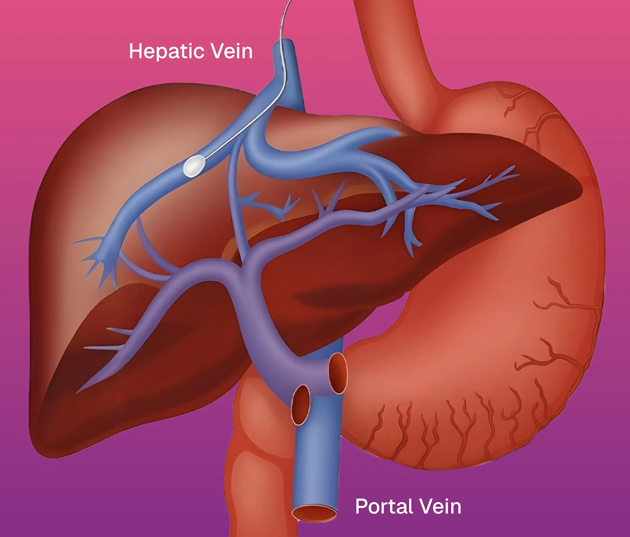
Portal Hypertension (EHPVO/NCPF) Requiring Shunt Surgeries
Portal hypertension is a condition in which the pressure within the portal venous system becomes abnormally high. Extrahepatic portal vein obstruction (EHPVO) and non-cirrhotic portal fibrosis (NCPF) are important causes of portal hypertension, particularly in patients who do not have advanced liver cirrhosis.
In some patients, portal hypertension can result in enlarged veins in the food pipe or stomach, called varices, which may bleed significantly. When bleeding is recurrent or cannot be adequately controlled with other treatments, surgical portosystemic shunt procedures may be considered to reduce portal pressure and prevent further complications.
Conditions
Portal hypertension may develop due to obstruction or increased resistance to blood flow through the portal venous system. Common conditions include:
- Extrahepatic portal vein obstruction (EHPVO)
- Non-cirrhotic portal fibrosis (NCPF)
- Portal hypertension with esophageal varices
- Portal hypertension with gastric varices
- Recurrent variceal bleeding
- Hypersplenism and enlarged spleen
- Portal hypertension associated with preserved liver function
- Portal hypertension requiring surgical shunt procedure
The underlying cause, portal venous anatomy, liver function and previous episodes of variceal bleeding are important considerations when selecting patients for shunt surgery.
Symptoms
Portal hypertension may remain asymptomatic until complications develop. Common symptoms and signs include:
- Vomiting of blood due to variceal bleeding
- Black or tarry stools
- Enlarged spleen
- Low platelet count due to hypersplenism
- Abdominal discomfort or fullness
- Weakness and fatigue due to blood loss or anemia
- Abdominal swelling in selected cases
- Recurrent episodes of gastrointestinal bleeding
Vomiting blood or passing black stools can indicate significant gastrointestinal bleeding and requires urgent medical attention.
Causes
Portal hypertension occurs when blood flow through the portal venous system is obstructed or encounters increased resistance. In EHPVO and NCPF, the liver may remain relatively preserved despite significant portal hypertension.
- Extrahepatic portal vein obstruction
- Chronic portal vein thrombosis
- Non-cirrhotic portal fibrosis
- Abnormal development or narrowing of the portal venous system
- Previous abdominal or portal venous conditions
- Other causes of non-cirrhotic portal hypertension
The exact cause may vary between patients. Detailed assessment of the portal venous system is important before considering a surgical shunt.
Treatment
Treatment aims to control portal pressure, prevent recurrent variceal bleeding and manage complications of portal hypertension. The treatment approach depends on the underlying cause, severity of bleeding, portal venous anatomy and liver function.
Treatment options may include:
- Endoscopic treatment of esophageal or gastric varices
- Medicines to reduce portal pressure in appropriate patients
- Blood transfusion and supportive treatment for significant bleeding
- Management of anemia and hypersplenism
- Endoscopic or radiological interventions for selected patients
- Mesocaval shunt in selected cases
- Splenorenal shunt procedures for appropriate patients
- Other selective or non-selective portosystemic shunt procedures based on portal venous anatomy
Surgical shunt procedures are considered in selected patients with recurrent or significant variceal bleeding, particularly when the portal venous anatomy and liver function make a shunt procedure appropriate.
The choice of shunt is individualized after detailed assessment of the portal vein, splenic vein, superior mesenteric vein and collateral circulation.
Prevention
Not every cause of portal hypertension can be prevented. However, appropriate monitoring and treatment can help reduce the risk of variceal bleeding and other complications.
- Attend regular specialist follow-up for known portal hypertension.
- Follow recommended endoscopic surveillance for varices.
- Take prescribed medicines as directed.
- Follow medical advice regarding prevention of variceal bleeding.
- Monitor and treat anemia or nutritional deficiencies when present.
- Seek urgent medical attention for vomiting blood or black stools.
- Follow scheduled follow-up after a shunt surgery or other portal hypertension procedure.
Early recognition and appropriate management of portal hypertension can help reduce the risk of recurrent bleeding and other serious complications.