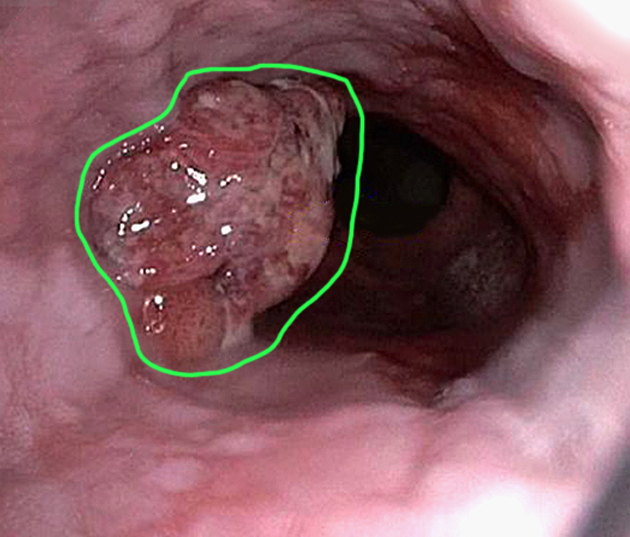
Cancer of the Esophagus
Esophageal cancer is a malignant tumour that develops in the lining of the esophagus, the muscular tube that carries food from the throat to the stomach. It can occur at different levels of the esophagus and may progressively affect swallowing and nutrition.
Management depends on the type and stage of the cancer, its location, the patient's overall health and whether the disease has spread. Treatment may involve surgery, chemotherapy, radiotherapy, targeted treatment or a combination of these approaches.
Conditions
Esophageal cancer may develop in different parts of the esophagus and can present at various stages. Common types and presentations include:
- Squamous cell carcinoma of the esophagus
- Adenocarcinoma of the esophagus
- Cancer involving the upper, middle or lower esophagus
- Locally advanced esophageal cancer
- Esophageal cancer causing narrowing or obstruction
- Advanced or metastatic esophageal cancer
- Recurrent esophageal cancer
Early assessment and accurate staging are important to determine the most appropriate treatment strategy for each patient.
Symptoms
Esophageal cancer may not cause noticeable symptoms during its early stages. As the disease progresses, patients may experience:
- Difficulty or pain while swallowing
- Progressive difficulty in swallowing solid and liquid foods
- Feeling that food is stuck in the throat or chest
- Unexplained weight loss
- Chest or upper abdominal discomfort
- Regurgitation of food
- Persistent heartburn or indigestion
- Hoarseness or persistent cough
- Vomiting or blood in vomit in advanced cases
- Loss of appetite and general weakness
Persistent or progressively worsening swallowing difficulty should not be ignored and requires timely specialist evaluation.
Causes
Esophageal cancer develops when abnormal cells in the esophageal lining grow uncontrollably. Several factors may increase the risk of developing the disease.
- Long-term tobacco use
- Excessive alcohol consumption
- Chronic gastroesophageal reflux disease
- Barrett's esophagus
- Long-standing esophageal inflammation
- Obesity, particularly in adenocarcinoma risk
- Previous corrosive injury to the esophagus
- Increasing age and certain genetic or environmental factors
The development of esophageal cancer is usually multifactorial, and having one or more risk factors does not necessarily mean that a person will develop the disease.
Treatment
Treatment is planned according to the location, type and stage of the cancer, along with the patient's general health and nutritional status. Evaluation may include endoscopy with biopsy, imaging studies and other staging investigations.
Treatment options may include:
- Surgical removal of the cancerous part of the esophagus in suitable patients
- Esophagectomy with appropriate lymph node removal
- Neoadjuvant chemotherapy and/or radiotherapy before surgery
- Chemotherapy or radiotherapy for selected patients
- Endoscopic treatment for selected early-stage cancers
- Targeted or immunotherapy for selected advanced cancers
- Esophageal stenting or other supportive procedures for significant obstruction
- Nutritional support during cancer treatment
Complex esophageal cancer cases may require a multidisciplinary approach involving surgical gastroenterologists, medical oncologists, radiation oncologists, radiologists and other specialists.
The goal of treatment is to achieve the best possible cancer control while preserving swallowing function and maintaining the patient's overall quality of life.
Prevention
Although not every case of esophageal cancer can be prevented, reducing known risk factors and addressing precancerous conditions may help lower the risk.
- Avoid tobacco products and smoking.
- Limit or avoid excessive alcohol consumption.
- Maintain a healthy body weight.
- Follow appropriate treatment for long-standing acid reflux.
- Seek medical evaluation for persistent swallowing difficulties or reflux symptoms.
- Follow recommended surveillance for conditions such as Barrett's esophagus when advised.
- Maintain a balanced diet and healthy lifestyle.
Early evaluation of persistent symptoms can help detect esophageal abnormalities at an earlier stage, when more treatment options may be available.