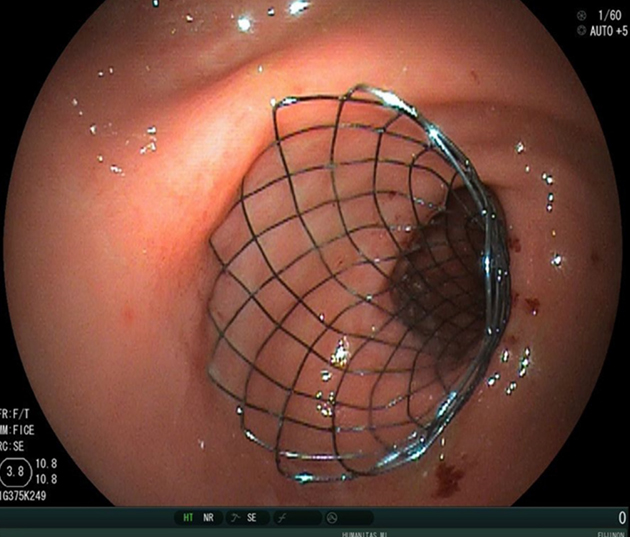
Gastric Outlet Obstruction (Benign/Malignant)
Gastric outlet obstruction is a condition in which the normal passage of food from the stomach into the small intestine becomes narrowed or blocked. The obstruction may develop due to benign conditions such as ulcers and scarring, or because of malignant tumours involving the stomach, pancreas or nearby structures.
The condition can interfere with normal digestion and lead to persistent vomiting, dehydration, nutritional deficiencies and weight loss. Early diagnosis is important to identify the underlying cause and plan appropriate medical, endoscopic or surgical treatment.
Conditions
Gastric outlet obstruction may be caused by either benign or malignant conditions affecting the stomach, pylorus or surrounding organs. Common presentations include:
- Benign gastric outlet obstruction
- Malignant gastric outlet obstruction
- Pyloric or duodenal narrowing
- Peptic ulcer disease with scarring
- Gastric cancer causing obstruction
- Duodenal tumours causing narrowing
- Pancreatic or periampullary tumours causing obstruction
- Obstruction due to inflammation or external compression
The severity of symptoms depends on the degree of obstruction and the underlying disease. Identifying whether the obstruction is benign or malignant is essential for treatment planning.
Symptoms
Symptoms may develop gradually as the gastric outlet becomes increasingly narrowed. Common symptoms include:
- Persistent or recurrent vomiting
- Vomiting of partially digested food
- Feeling of fullness after eating small amounts
- Abdominal discomfort or pain
- Bloating and indigestion
- Loss of appetite
- Unintentional weight loss
- Dehydration and weakness
- Nutritional deficiencies in prolonged cases
Persistent vomiting, progressive weight loss or difficulty tolerating food should be evaluated promptly, particularly when symptoms are worsening over time.
Causes
Gastric outlet obstruction can result from diseases that narrow the gastric outlet directly or from conditions affecting nearby organs. Causes may include:
- Peptic ulcer disease and associated scarring
- Gastric cancer
- Duodenal cancer or other duodenal tumours
- Pancreatic cancer causing external compression
- Periampullary or surrounding gastrointestinal tumours
- Inflammatory conditions causing swelling or narrowing
- Previous surgery or treatment resulting in narrowing
- Other structural abnormalities affecting gastric emptying
A detailed evaluation is required to determine the exact cause because treatment differs significantly between benign obstruction and obstruction caused by cancer.
Treatment
Treatment depends on the cause and severity of the obstruction, the patient's nutritional condition and whether the underlying disease is benign or malignant. Evaluation may include upper gastrointestinal endoscopy, imaging studies and tissue biopsy when required.
Treatment options may include:
- Correction of dehydration and electrolyte imbalance
- Nutritional support to improve the patient's condition
- Medical treatment for suitable benign causes
- Endoscopic balloon dilatation for selected strictures
- Endoscopic stent placement in selected malignant obstructions
- Surgical bypass procedures when required
- Surgical removal of the tumour in suitable patients
- Advanced surgery for complex gastric, duodenal or pancreatic conditions
Patients with malignant gastric outlet obstruction may require a multidisciplinary treatment approach involving surgery, oncology and other supportive therapies depending on the stage and underlying cancer.
The primary goals of treatment are to relieve the obstruction, restore adequate nutrition and address the underlying disease wherever possible.
Prevention
Not every case of gastric outlet obstruction can be prevented, particularly when it is caused by cancer. However, early diagnosis and appropriate management of underlying conditions may help reduce complications.
- Seek timely treatment for persistent gastric or ulcer-related symptoms.
- Follow medical advice for peptic ulcer disease and acid-related conditions.
- Avoid unnecessary use of medicines that may increase the risk of gastric injury unless advised by a doctor.
- Do not ignore persistent vomiting, abdominal pain or unexplained weight loss.
- Seek specialist evaluation for progressive difficulty in eating or recurrent vomiting.
- Maintain regular follow-up when a gastric or gastrointestinal condition has previously been diagnosed.
- Follow recommended investigations when persistent digestive symptoms require further evaluation.
Early assessment can help identify the cause of gastric outlet obstruction and allow appropriate treatment before dehydration, malnutrition or other complications develop.