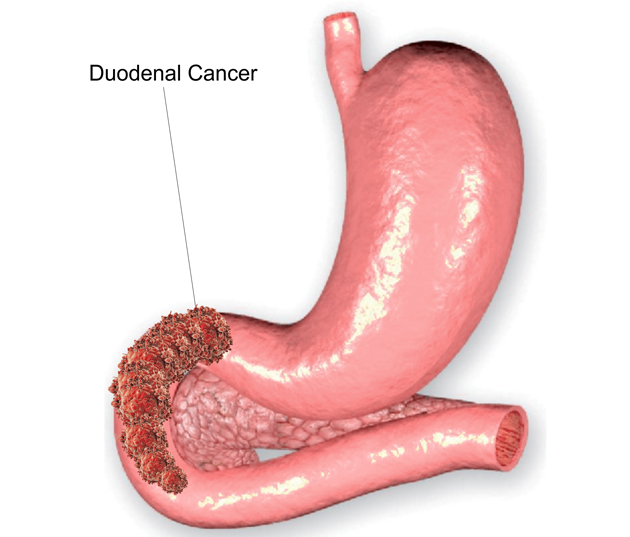
Duodenal Tumors (Benign and Malignant)
Duodenal tumors are abnormal growths that develop in the duodenum, the first part of the small intestine located between the stomach and the jejunum. These tumors may be benign or malignant and can arise from different tissues within the duodenal wall.
Some duodenal tumors may remain small and cause few symptoms, while others can lead to bleeding, obstruction, jaundice or abdominal discomfort. Malignant tumors may also spread to nearby lymph nodes or surrounding organs. Early evaluation and accurate diagnosis are important to determine the most appropriate treatment.
Conditions
Duodenal tumors can vary in their type, location and biological behaviour. They may include:
- Benign duodenal polyps and adenomas
- Duodenal adenocarcinoma
- Neuroendocrine tumors of the duodenum
- Gastrointestinal stromal tumors (GIST)
- Lymphoma involving the duodenum
- Locally advanced duodenal tumors
- Duodenal tumors causing intestinal obstruction
- Duodenal tumors associated with gastrointestinal bleeding
The location, size and type of the tumor, along with its relationship to nearby structures such as the pancreas and bile duct, are important considerations when planning treatment.
Symptoms
Small duodenal tumors may not cause noticeable symptoms. As the tumor increases in size or affects nearby structures, patients may experience:
- Upper abdominal pain or discomfort
- Nausea and vomiting
- Difficulty in passing food from the stomach
- Abdominal bloating or fullness
- Gastrointestinal bleeding
- Black or tarry stools
- Unexplained weight loss
- Loss of appetite
- Jaundice when nearby bile ducts are affected
- Weakness or fatigue due to anemia
Persistent abdominal symptoms, unexplained weight loss, gastrointestinal bleeding or jaundice should be evaluated promptly to identify the underlying cause.
Causes
The exact cause of most duodenal tumors is not known. Certain genetic, inherited and environmental factors may increase the likelihood of developing particular types of tumors.
- Inherited genetic conditions associated with gastrointestinal tumors
- Familial adenomatous polyposis and associated duodenal adenomas
- Neurofibromatosis and other conditions associated with GIST
- Changes in cells of the duodenal lining
- Long-standing inflammatory or gastrointestinal conditions in selected cases
- Other genetic or environmental factors
The development of a duodenal tumor is usually complex, and having a risk factor does not necessarily mean that a person will develop the condition.
Treatment
Treatment depends on whether the tumor is benign or malignant, its size and location, its relationship with nearby organs and the patient's overall health. Evaluation may include upper gastrointestinal endoscopy, biopsy, imaging studies and other specialized investigations.
Treatment options may include:
- Endoscopic removal of selected benign polyps or small tumors
- Endoscopic surveillance for appropriate low-risk lesions
- Local surgical excision for selected tumors
- Segmental duodenal resection for suitable localized tumors
- Pancreaticoduodenectomy (Whipple procedure) for selected cancers involving the duodenum or nearby structures
- Medical treatment for selected neuroendocrine tumors or other specific tumor types
- Systemic therapy for selected malignant or advanced tumors
- Nutritional support when obstruction or poor intake affects nutrition
Complex duodenal tumors may require a multidisciplinary approach involving surgical gastroenterologists, medical oncologists, gastroenterologists, radiologists and other specialists.
The aim of treatment is to completely control or remove the tumor where possible while preserving normal digestive function and addressing involvement of nearby organs.
Prevention
There is no guaranteed way to prevent all duodenal tumors. However, individuals with certain inherited conditions may benefit from appropriate surveillance and early evaluation.
- Follow recommended screening for inherited gastrointestinal conditions.
- Attend regular specialist follow-up when there is a family history of gastrointestinal tumors.
- Report persistent abdominal pain, unexplained weight loss or gastrointestinal bleeding.
- Seek evaluation for recurrent vomiting or symptoms of intestinal obstruction.
- Follow medical advice for previously diagnosed duodenal polyps or tumors.
- Maintain a healthy lifestyle and balanced diet.
Early detection and appropriate surveillance can help identify certain duodenal lesions before they become advanced and allow timely treatment when required.