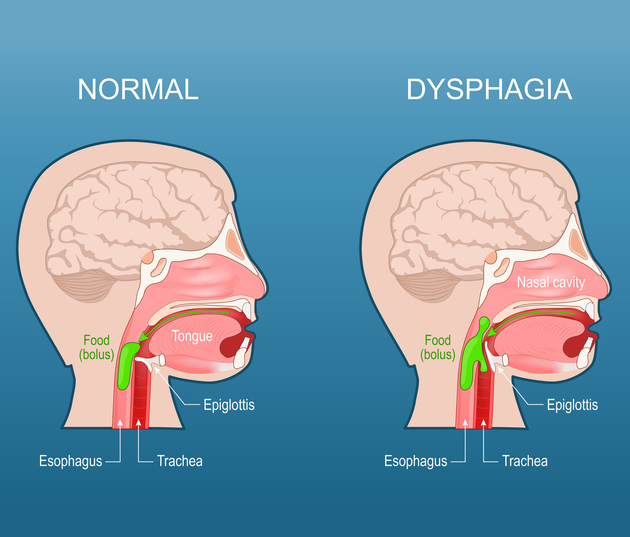
Dysphagia (Achalasia Cardia / Stricture)
Dysphagia refers to difficulty in swallowing food or liquids. It may occur when the normal movement of food through the esophagus is affected by a narrowing or a problem with the muscles responsible for moving food into the stomach.
Achalasia cardia and esophageal strictures are important causes of dysphagia. These conditions can progressively affect eating, nutrition and quality of life and may require specialist evaluation and treatment.
Conditions
Dysphagia may result from different functional or structural problems affecting the esophagus. Common conditions include:
- Achalasia cardia
- Benign esophageal stricture
- Post-corrosive esophageal stricture
- Peptic or reflux-related stricture
- Narrowing of the esophageal passage
- Progressive difficulty in swallowing
- Recurrent swallowing problems
The underlying cause and severity of dysphagia determine the appropriate investigations and treatment approach.
Symptoms
Symptoms may develop gradually or become progressively worse depending on the underlying condition. Common symptoms include:
- Difficulty swallowing food or liquids
- Feeling that food is stuck in the throat or chest
- Regurgitation of undigested food
- Chest discomfort or pain
- Progressively worsening swallowing difficulty
- Coughing or choking while eating
- Unintentional weight loss
- Heartburn or reflux-like symptoms
Persistent or progressive difficulty in swallowing should be evaluated by a specialist to identify the underlying cause and prevent nutritional or other complications.
Causes
Dysphagia may develop because of narrowing of the esophagus or abnormal movement of the esophageal muscles. Common causes include:
- Achalasia cardia, where the lower esophageal sphincter does not relax normally
- Scarring following corrosive or acid ingestion
- Gastroesophageal reflux disease
- Previous esophageal injury or surgery
- Inflammation of the esophagus
- Conditions causing narrowing or obstruction of the esophageal passage
Identifying the underlying cause is important because treatment differs between functional disorders such as achalasia and structural narrowing such as an esophageal stricture.
Treatment
Treatment depends on the underlying cause, severity of symptoms and overall condition of the patient. Evaluation may include upper gastrointestinal endoscopy, contrast studies and esophageal manometry when required.
Treatment options may include:
- Endoscopic dilatation for suitable esophageal strictures
- Balloon dilatation for selected patients with achalasia
- Surgical treatment such as Heller myotomy for selected patients with achalasia
- Nutritional support when swallowing is significantly affected
- Treatment of the underlying cause of the stricture
- Reconstructive or advanced surgical procedures for complex or recurrent strictures
Early specialist evaluation and appropriate treatment can help improve swallowing, maintain adequate nutrition and reduce the risk of complications.
Prevention
Not all causes of dysphagia can be prevented, but appropriate care and early evaluation can help reduce complications.
- Seek early treatment for persistent acid reflux or esophageal symptoms.
- Keep corrosive substances safely stored to prevent accidental ingestion.
- Follow medical advice after corrosive esophageal injury.
- Attend regular follow-up when an esophageal stricture has previously been diagnosed.
- Follow recommended treatment and dietary advice after esophageal procedures.
- Seek specialist evaluation if swallowing difficulty becomes persistent or progressively worse.
Early diagnosis and appropriate management are important for maintaining swallowing function and preventing further complications.