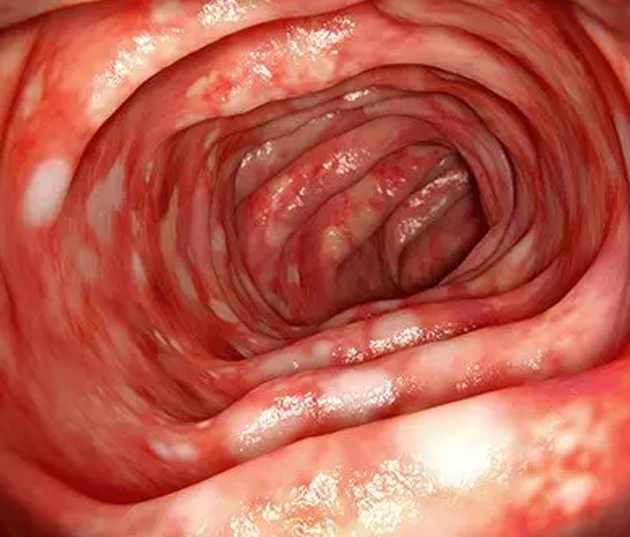
Ulcerative Colitis
Ulcerative colitis is a chronic inflammatory bowel disease that primarily affects the inner lining of the large intestine and rectum. The inflammation can cause ulcers and may extend continuously from the rectum to different portions of the colon.
The condition often follows a pattern of flare-ups and periods of remission. Symptoms can range from mild bowel disturbances to severe inflammation with bleeding, dehydration and other complications. Appropriate medical treatment and regular specialist follow-up are important for controlling the disease and maintaining quality of life.
Conditions
Ulcerative colitis may involve different portions of the colon depending on the extent of inflammation. Common forms and complications include:
- Ulcerative proctitis affecting the rectum
- Proctosigmoiditis involving the rectum and sigmoid colon
- Left-sided ulcerative colitis
- Extensive ulcerative colitis or pancolitis
- Acute severe ulcerative colitis
- Ulcerative colitis associated with significant intestinal bleeding
- Toxic megacolon and other severe complications
- Colorectal dysplasia or cancer associated with long-standing disease
The extent and severity of inflammation vary between patients and help determine the appropriate medical, endoscopic or surgical treatment.
Symptoms
Symptoms may develop gradually or occur during episodes of active disease. Common symptoms include:
- Frequent or urgent bowel movements
- Persistent diarrhoea
- Blood or mucus in the stool
- Abdominal cramps and pain
- Urgency to pass stools
- Rectal discomfort or bleeding
- Fatigue and weakness
- Loss of appetite
- Unintentional weight loss
- Fever during severe inflammation
The severity of symptoms can vary significantly. Persistent rectal bleeding, frequent diarrhoea, severe abdominal pain or increasing weakness should be evaluated promptly.
Causes
The exact cause of ulcerative colitis is not completely understood. It is believed to develop from an abnormal immune response in genetically susceptible individuals, along with environmental and other factors.
- Abnormal immune system response
- Family history and genetic susceptibility
- Changes in the intestinal microbiome
- Environmental factors
- Other factors that may influence intestinal inflammation
Ulcerative colitis is not caused by a single factor, and having a family history or other risk factor does not necessarily mean that a person will develop the condition.
Treatment
Treatment aims to reduce intestinal inflammation, control symptoms, achieve remission and prevent complications. The treatment plan depends on the extent and severity of disease, previous treatment response and the patient's overall condition.
Treatment may include:
- Medicines to reduce inflammation and control disease activity
- Immunomodulators or biologic therapies for appropriate patients
- Targeted medicines for selected moderate to severe disease
- Nutritional support and management of anemia or nutritional deficiencies
- Regular colonoscopic assessment when surveillance is indicated
- Hospital-based treatment for severe or acute flare-ups
- Surgery to remove the colon and rectum when medical treatment is unsuccessful or complications develop
- Surgical treatment for severe bleeding, perforation, toxic megacolon or colorectal cancer
Surgery may be considered for patients with medically refractory disease or serious complications. The surgical approach is individualized according to disease severity, overall health and the patient's specific needs.
Long-term follow-up is important to monitor disease activity, treatment response and the risk of complications associated with long-standing ulcerative colitis.
Prevention
There is currently no guaranteed way to prevent ulcerative colitis. However, appropriate disease management and regular monitoring can help reduce flare-ups and complications.
- Take prescribed medicines regularly and follow the treatment plan.
- Attend scheduled follow-up appointments with your specialist.
- Maintain adequate nutrition and hydration.
- Follow individualized dietary advice during active disease.
- Monitor for persistent bleeding, diarrhoea, abdominal pain or weight loss.
- Follow recommended colorectal cancer surveillance when advised.
- Seek early medical attention if symptoms suddenly become severe.
Regular monitoring and timely treatment can help control inflammation, reduce complications and support a better quality of life for people living with ulcerative colitis.