Crohn's Disease
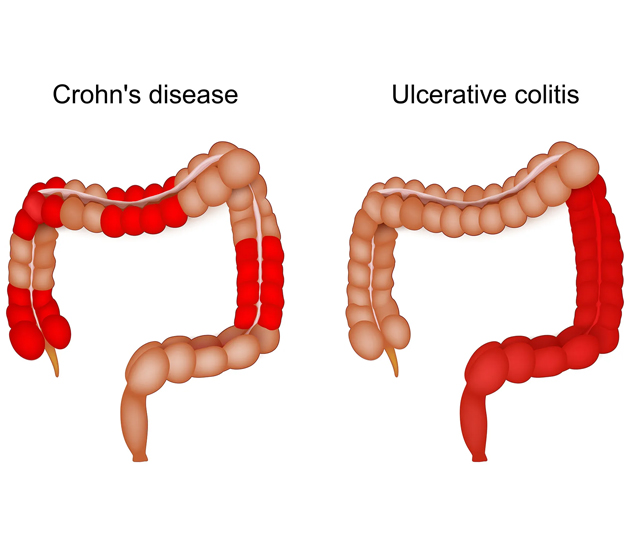
Crohn's disease is a chronic inflammatory bowel disease that can cause inflammation anywhere along the digestive tract, most commonly affecting the small intestine and colon. The inflammation may involve deeper layers of the intestinal wall and can occur in patches, with healthy areas between affected sections.
The condition can cause abdominal pain, diarrhoea, weight loss and nutritional problems. In some patients, persistent inflammation may lead to complications such as intestinal narrowing, fistula, abscess or perforation, requiring specialized medical or surgical management.
Conditions
Crohn's disease can affect different parts of the gastrointestinal tract and may present with varying severity. Common conditions and complications include:
- Small bowel Crohn's disease
- Ileocolonic Crohn's disease
- Colonic Crohn's disease
- Inflammatory Crohn's disease
- Stricturing or obstructive Crohn's disease
- Fistulizing Crohn's disease
- Intra-abdominal abscess associated with Crohn's disease
- Perforation or severe intestinal complications
The pattern and severity of disease vary between patients. Long-term specialist follow-up is important to control inflammation and manage complications when they develop.
Symptoms
Symptoms may develop gradually and can vary depending on the part of the digestive tract involved. Common symptoms include:
- Persistent or recurrent abdominal pain
- Chronic diarrhoea
- Blood or mucus in the stool
- Loss of appetite
- Unintentional weight loss
- Fatigue and weakness
- Fever during active inflammation
- Bloating or abdominal fullness
- Nausea or vomiting when obstruction develops
- Reduced growth or delayed development in children
Symptoms may come and go, with periods of active disease followed by periods of improvement. Persistent or worsening symptoms should be evaluated by a specialist.
Causes
The exact cause of Crohn's disease is not completely understood. It is believed to result from an abnormal immune response in genetically susceptible individuals, influenced by environmental and other factors.
- Abnormal immune system response
- Family history and genetic susceptibility
- Changes in the intestinal microbiome
- Environmental factors
- Smoking, which can increase the risk and severity of disease
- Other factors that may influence intestinal inflammation
Crohn's disease is not caused by a single factor, and having a family history or other risk factor does not necessarily mean that a person will develop the condition.
Treatment
Treatment aims to control intestinal inflammation, achieve and maintain remission, improve nutrition and prevent complications. The treatment plan depends on disease location, severity, complications and the patient's overall condition.
Treatment may include:
- Medicines to control intestinal inflammation
- Immunomodulators or biologic therapies for appropriate patients
- Nutritional support and dietary management
- Management of anemia and nutritional deficiencies
- Endoscopic dilatation for selected intestinal strictures
- Surgery for obstruction or severe strictures
- Surgery for fistulas or intra-abdominal abscesses when required
- Surgery for perforation or other severe complications
Surgery may be required when Crohn's disease causes complications that do not respond adequately to medical treatment. Surgical planning is individualized to preserve as much healthy intestine as possible.
Long-term follow-up is important because Crohn's disease can recur even after successful treatment or surgery.
Prevention
There is currently no guaranteed way to prevent Crohn's disease. However, appropriate disease management and lifestyle measures can help reduce flare-ups and complications.
- Avoid smoking and tobacco products.
- Take prescribed medicines regularly and follow the treatment plan.
- Maintain adequate nutrition and hydration.
- Follow individualized dietary advice during active disease.
- Attend regular follow-up with your treating specialist.
- Monitor for new or worsening abdominal pain, diarrhoea or weight loss.
- Seek early medical attention if symptoms of obstruction, infection or severe inflammation develop.
Regular monitoring and timely treatment can help control disease activity, reduce complications and support a better quality of life.