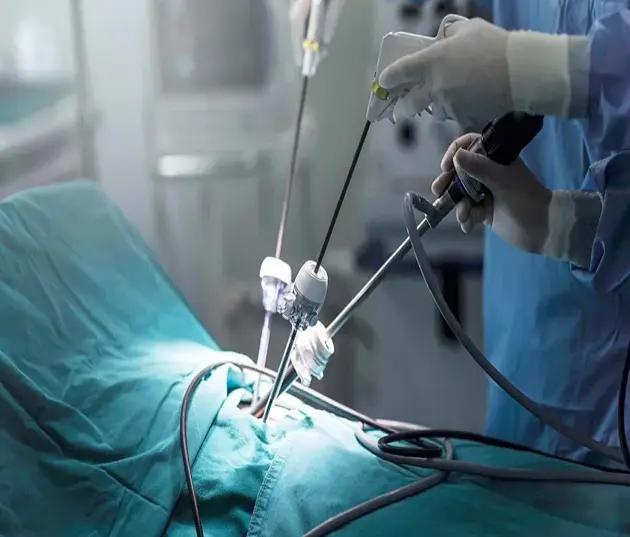
Best Robotic Gastrointestinal Surgeon in Vashi
Robotic gastrointestinal surgery is an advanced form of minimally invasive surgery used for selected gastrointestinal and hepatopancreatobiliary (GI & HPB) procedures. It combines small-incision surgical techniques with a robotic platform that allows the surgeon to control specialised instruments and a high-definition surgical view during the procedure.Best Robotic Gastrointestinal Surgeon in Vashi, Navi Mumbai.
Dr. Ketul Shah is a qualified surgical gastroenterologist with M.B.B.S., M.S. in General Surgery and M.Ch. in Surgical Gastroenterology, along with specialised training in GI & HPB Oncosurgery, advanced laparoscopic surgery and robotic surgery. For patients searching for the Best Robotic Gastrointestinal Surgeon in Vashi, Navi Mumbai, Dr. Ketul Shah provides specialist evaluation for selected gastrointestinal, liver, pancreatic and hepatobiliary conditions where robotic surgery may be considered.
The decision to use a robotic approach depends on the diagnosis, anatomy, complexity of the procedure, previous surgery, overall health and the surgeon's assessment of the available treatment options.
What Is Robotic Gastrointestinal Surgery?
Robotic gastrointestinal surgery is a minimally invasive approach in which the surgeon operates through small incisions using a robotic surgical system.The surgeon controls the robotic instruments from a console rather than manually moving the instruments inside the patient's body. The system allows controlled movement of specialised instruments and provides an enlarged view of the surgical field.Learn about Dr. Ketul Shah
The robotic system does not independently perform the operation. Surgical movements and decisions are made by the surgeon throughout the procedure.Depending on the surgery, robotic techniques may be considered for selected operations involving the:
- Stomach
- Small intestine
- Colon and rectum
- Oesophagus
- Gallbladder
- Liver
- Pancreas
- Biliary system
How Does Robotic Surgery Work?
During robotic surgery, several small incisions are made to introduce the camera and surgical instruments.
- Placement of a small camera through an incision
- Introduction of specialised surgical instruments through additional small openings
- Control of the instruments by the surgeon from a console
- Magnified visualisation of the operative area
- Careful dissection, suturing or tissue handling according to the surgical procedure
Robotic vs Laparoscopic Gastrointestinal Surgery
Both robotic and laparoscopic surgery are minimally invasive approaches that use smaller incisions compared with conventional open surgery.
Laparoscopic Surgery - In laparoscopic surgery, the surgeon directly controls long, specialised instruments while viewing the operative area through a camera.
Robotic Surgery - In robotic surgery, the surgeon controls robotic instruments from a console. The system can provide enhanced visualisation and articulated instrument movement that may be useful for selected complex procedures.
Robotic surgery is not automatically necessary for every patient. Many gastrointestinal procedures can be successfully performed using conventional laparoscopy. The appropriate approach depends on the specific operation, disease characteristics, surgical anatomy and individual patient factors.
Robotic GI Cancer Surgery
Robotic techniques may be considered for selected gastrointestinal cancer procedures depending on the tumour location and extent.
- Stomach cancer
- Colorectal cancer
- Oesophageal cancer
- Other gastrointestinal malignancies
Cancer surgery requires careful planning to ensure that the tumour and appropriate surrounding tissues can be treated according to accepted surgical principles.
Dr. Ketul Shah has specialised training in GI & HPB Oncosurgery and advanced robotic techniques. He evaluates whether a minimally invasive or robotic approach is appropriate for selected cancer cases.
Robotic Liver & Pancreatic Surgery
Liver and pancreatic surgery can involve complex anatomy because these organs are closely associated with major blood vessels, bile ducts and other abdominal structures. Selected liver and pancreatic procedures may be considered for minimally invasive robotic surgery depending on the location of the disease, surgical complexity and the patient's condition.
Dr. Ketul Shah has specialised training in liver and pancreatic surgery as part of his GI & HPB surgical practice. His experience also includes involvement with a liver transplant surgical team and complex hepatopancreatobiliary surgical care.
Benefits and Recovery After Robotic Surgery
For selected gastrointestinal procedures, robotic surgery may offer the potential benefits associated with minimally invasive surgery, such as:
- Smaller surgical incisions
- Less abdominal wall disruption
- Reduced wound-related discomfort in some patients
- Earlier mobilisation
- Hospital recovery that may be shorter for selected procedures
- Earlier return to routine activities in suitable cases
Recovery depends on the type and complexity of surgery, the patient's general health and the presence of any postoperative complications.
Robotic surgery does not guarantee the same recovery for every patient, so expected hospital stay and recovery time should be discussed during consultation.
Why Consult Dr. Ketul Shah for Robotic Gastrointestinal Surgery?
Dr. Ketul Shah is a qualified surgical gastroenterologist with M.B.B.S., M.S. in General Surgery and M.Ch. in Surgical Gastroenterology, along with specialised training in GI & HPB Oncosurgery, advanced laparoscopic surgery and robotic surgery. His experience includes gastrointestinal, liver, pancreatic and HPB surgery, as well as selected complex cancer procedures and CRS + HIPEC training. Patients receive an individual evaluation based on their symptoms, diagnosis, imaging, investigation reports and surgical requirements before an appropriate treatment approach is discussed. For consultation enquiries, you can contact Dr. Ketul Shah at 09920947772.
Consultation
Robotic gastrointestinal surgery should be considered according to the patient's diagnosis, surgical requirements, medical history and overall health. Dr. Ketul Shah provides specialised consultation for gastrointestinal, liver, pancreatic and HPB conditions at Shrishka Surgical Clinic, Sector 17, Vashi, Navi Mumbai. If you are looking for the Best Robotic Gastrointestinal Surgeon in Vashi, Navi Mumbai, you can contact Dr. Ketul Shah at 09920947772 to enquire about a consultation and suitable surgical options.
Frequently Asked Questions (FAQs)
Q.1. What is robotic gastrointestinal surgery?
Ans - Robotic gastrointestinal surgery is a minimally invasive surgical technique in which the surgeon controls specialised robotic instruments through a console to perform selected gastrointestinal procedures.
Q.2. Is robotic surgery the same as laparoscopic surgery?
Ans - Both are minimally invasive approaches, but the surgical instruments are controlled differently. Laparoscopic instruments are directly handled by the surgeon, while robotic instruments are controlled from a robotic console.
Q.3. Does robotic surgery operate on the patient by itself?
Ans - No. The robotic system does not independently make surgical decisions. The surgeon controls the instruments and performs the procedure.
Q.4. What gastrointestinal surgeries can be performed robotically?
Ans - Selected procedures involving the stomach, colon, rectum, oesophagus, pancreas, liver and other gastrointestinal or HPB organs may be considered for robotic surgery depending on the patient's condition and surgical requirements.
Q.5. Is robotic surgery suitable for gastrointestinal cancer?
Ans - Robotic surgery may be considered for selected gastrointestinal cancer procedures when the tumour location, disease extent and patient's condition make a minimally invasive approach appropriate.
Q.6. Does Dr. Ketul Shah perform robotic GI surgery?
Ans - Dr. Ketul Shah has specialised training in robotic surgery along with advanced laparoscopic GI and HPB surgical training. He evaluates selected patients to determine whether robotic surgery is suitable.
Q.7. Is robotic surgery better than open surgery?
Ans - Robotic surgery is not automatically better for every patient. The appropriate approach depends on the disease, anatomy, procedure, surgical complexity and overall health.
Q.8. Is robotic surgery better than laparoscopic surgery?
Ans - Not necessarily. Laparoscopic surgery is appropriate for many gastrointestinal operations. Robotic surgery may offer additional technical capabilities for selected procedures, but the choice depends on the individual case.
Q.9. What are the possible benefits of robotic gastrointestinal surgery?
Ans - For selected procedures, minimally invasive robotic surgery may involve smaller incisions and may support recovery with less abdominal wall disruption. Actual benefits vary according to the operation and patient.
Q.10. How long does recovery take after robotic gastrointestinal surgery?
Ans - Recovery depends on the type and complexity of surgery, the patient's health and whether complications occur. The expected recovery period is discussed during the surgical consultation.
Q.11. Where can I consult Dr. Ketul Shah in Vashi?
Ans - Dr. Ketul Shah consults at Shrishka Surgical Clinic, A-104, Om Rachna CHS, Sector 17, Vashi, Navi Mumbai, Maharashtra 400703.
Q.12. How can I contact Dr. Ketul Shah?
Ans - For consultation enquiries, you can contact Dr. Ketul Shah at 099209 47772.